Machu Picchu, the enigmatic city of the Incas, stands as a testament to ancient engineering marvels. It also showcases the rich cultural tapestry of a civilization long past. Within its confines lies a lesser-known yet equally captivating site: the Temple of the Moon. This sacred location perches on the slopes of Huayna Picchu. It offers deep insights into the spiritual life and practices of the Inca civilization. Embark on a journey with us. We will unravel the hidden wonders of the Temple of the Moon. We will explore its vital significance within the grand tapestry of Machu Picchu.
The Temple of the Moon, known as “Ñaupa Iglesia” in Quechua, is an archaeological marvel. It continues to captivate historians, archaeologists, and travelers alike. The temple is nestled inside a cave on the steep slopes of Huayna Picchu. It reflects the sacred rituals and ceremonies that were central to Inca life. Its finely carved stone altars and intricate niches show the exceptional craftsmanship of the Inca people. These features invite us to explore its mystery in greater detail.

The architecture of the Temple of the Moon is impressive. The precise stonework shows the Incas’ advanced engineering. Trapezoidal doorways are common in Inca architecture. They were both practical and aesthetic. These doorways offered stability during earthquakes. The temple blends harmoniously with its natural surroundings. The Incas mastered the integration of structure and environment.
Visiting the Temple of the Moon requires trekking up Huayna Picchu. The hike is challenging but rewarding. Access is strictly regulated to protect the site. Visitors must secure tickets in advance. Only a limited number of tickets are available each day. This ensures a serene and contemplative experience. Travelers can fully enjoy the breathtaking Andean landscape.
Visiting the Temple of the Moon requires embarking on a trek up Huayna Picchu, which is both challenging and rewarding. Access to this sacred site is strictly regulated to preserve its delicate nature, making it essential to secure your Machu Picchu tickets well in advance. The limited number of visitors allowed each day ensures a serene and contemplative experience, allowing you to fully immerse yourself in the breathtaking Andean landscape.
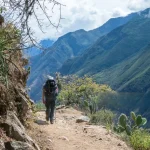
The trek up Huayna Picchu is not easy. Steep and narrow paths require fitness and determination. The reward is worth the effort. The Temple of the Moon offers a serene and mystical atmosphere. Along the way, stunning views of mountains and valleys unfold. These vistas highlight the natural beauty surrounding this sacred site.
Visiting the temple involves rules and regulations. Only a few tickets are released each day. They sell out quickly, especially in peak season. Planning ahead is crucial. Following the regulations preserves the site for future generations.
For a quiet experience, visit early in the morning. Fewer visitors make the site more peaceful. Soft morning light bathes the temple in a mystical glow. This enhances the spiritual ambiance. Early hours also provide excellent photography opportunities. Visitors can reflect and connect more deeply with the temple.
The Temple of the Moon has a revered place in Inca culture. Its cave location links it to “Uku Pacha,” the underworld. This realm was central to Inca belief. It represented the home of ancestors and deities. The temple demonstrates the interconnectedness of life, death, and spirituality.

The cave setting was a deliberate choice. Inca cosmology divides the universe into three realms: Hanan Pacha (upper world), Kay Pacha (earth), and Uku Pacha (underworld). The temple serves as a gateway to Uku Pacha. Rituals here connected the living with ancestors and gods.
The architectural features of the Temple of the Moon are rich in symbolism. The trapezoidal doorways and precise stonework are not only testaments to the Incas’ architectural prowess but also reflect their deep religious beliefs. These elements were designed with great care. They were meant to withstand natural calamities. The durability of the structures symbolizes the Incas’ desire to create buildings that could endure time, just as their spiritual beliefs were meant to last forever.
The Incas were a deeply spiritual people. The Temple of the Moon likely served as a venue for various rituals and ceremonies. These sacred practices were crucial for maintaining harmony between the earthly and spiritual realms. Rituals ensured the prosperity and well-being of the community. Offerings, chants, and possibly even sacrifices would have been part of these ceremonies. They were led by priests and community leaders, who played crucial roles in Inca society.
The rituals at the Temple of the Moon were diverse. They ranged from simple offerings to elaborate ceremonies marking significant events. These rituals were not just acts of faith. They were believed to invoke the favor of the gods. The goal was to ensure bountiful harvests and protection from natural disasters. Each ceremony was meticulously planned and executed. It reinforced the community’s spiritual beliefs and societal structure.
Priests held esteemed positions in Inca society. They were responsible for conducting the sacred rituals at the Temple of the Moon. Seen as intermediaries between the human and spiritual realms, priests had the knowledge and authority to communicate with the deities. Their role was vital. They maintained the spiritual equilibrium of society. In times of prosperity or adversity, priests guided the community.

Rituals at the Temple of the Moon were not isolated events but involved the entire community. Participation in these ceremonies reinforced social bonds and collective identity, reminding the Incas of their shared beliefs and cultural heritage. These gatherings were times of communal reflection and celebration, strengthening the ties that bound the community together through shared spiritual experiences.
The Quechua language, still spoken by millions today, provides valuable insights into Inca culture and traditions. The word “Ñaupa” translates to “ancient” or “ancestral,” emphasizing the temple’s historical significance. Linguistic analysis of Quechua terms associated with the Temple of the Moon reveals the depth of spiritual and cultural knowledge embedded in the language, offering a unique perspective on Inca civilization.
Quechua is not merely a language but a vital link to the past, preserving the cultural heritage of the Inca Empire. It offers a rich tapestry of expressions and concepts that provide insights into the Inca worldview and societal norms. Understanding Quechua terminology related to the Temple of the Moon unveils layers of meaning, shedding light on the spiritual and cultural dimensions of the site.
The Quechua language is replete with symbolism, often using metaphors and analogies to convey complex ideas. Terms associated with the Temple of the Moon reflect this symbolic richness, offering clues to the temple’s spiritual significance. By decoding these linguistic symbols, researchers gain a deeper understanding of the cultural and religious practices that defined Inca society.
The Incas employed a variety of symbols and motifs in their art and architecture to convey intricate ideas. At the Temple of the Moon, symbols of the puma, condor, and serpent may be found, representing the Inca trinity of the earthly world, the upper world, and the underworld. These symbols serve as a testament to the Incas’ sophisticated understanding of their universe and their ability to express complex cosmological concepts through art.
The symbols of the puma, condor, and serpent are central to Inca cosmology, each representing one of the three realms. The puma signifies the earthly world, embodying strength and agility. The condor represents the upper world, symbolizing the soul’s journey and spiritual elevation. The serpent, associated with the underworld, embodies transformation and regeneration. Together, these symbols encapsulate the Inca belief in the interconnectedness of all life.
Inca art is a blend of symbolism and functionality, with each element serving a purpose beyond mere decoration. The motifs found at the Temple of the Moon are no exception, offering visual narratives that communicate the spiritual beliefs and societal values of the Incas. These artistic interpretations are invaluable to historians and archaeologists, providing a glimpse into the minds of the Inca people and their perception of the universe.
The use of symbols in Inca art and architecture is a reflection of the culture’s emphasis on continuity and connection. These symbols were not static representations but dynamic expressions of cultural identity and spiritual beliefs. They played a crucial role in preserving the Inca heritage, ensuring that the knowledge and wisdom of the ancestors were passed down through generations.

For travelwriters and photography enthusiasts, capturing the essence of the Temple of the Moon requires a keen eye and an appreciation for its subtle beauty. Here are some tips to enhance your photographic journey:
The best time to visit the Temple of the Moon is during the early morning or late afternoon. During these times, the light is soft, casting a magical glow over the temple and creating an ethereal atmosphere. The reduced number of visitors at these hours also allows for unobstructed shots, enabling photographers to capture the temple’s mystical aura without distraction.
Paying attention to the intricate stone carvings and natural cave formations is crucial for capturing the temple’s essence. Close-up shots of these details can convey the artistry and craftsmanship of the Inca builders, highlighting their skill and attention to detail. By focusing on the nuanced elements of the temple, photographers can create images that tell a story of ancient ingenuity and spiritual devotion.
The surrounding mountains and lush vegetation provide a stunning backdrop for your photos, enhancing the temple’s visual impact. By incorporating these elements into your compositions, you can showcase the temple’s harmonious relationship with its environment. Wide-angle shots that include the sweeping vistas and dramatic landscapes will convey the grandeur and serenity of this sacred site.
When planning your trip to Machu Picchu and the Temple of the Moon, consider the following practical tips to ensure a memorable and enriching experience:
The dry season, from May to September, is the ideal time to visit Machu Picchu, with clear skies and pleasant temperatures. However, this period also sees the highest influx of tourists, making it crucial to book tickets and accommodations well in advance. For those seeking a quieter experience, consider visiting during the shoulder months of April or October, when the weather is still favorable, but the crowds are thinner.
Machu Picchu sits at a high altitude, so acclimatization is essential to avoid altitude sickness. Spend a few days exploring Cusco and the Sacred Valley before visiting the temple. Visit nearby sites like Maras, Moray, Pisac, Ollantaytambo, Chinchero and the south valley. These excursions help your body adjust to the elevation. Proper acclimatization will allow you to fully enjoy the experience. It also helps prevent health issues that could detract from your journey.

Consider hiring a knowledgeable guide to enrich your exploration of the Temple of the Moon. A guide can offer valuable insights into the historical and cultural context of the temple, providing a deeper understanding of its significance. Their expertise will enhance your appreciation of the site, offering perspectives that you may not discover on your own.
The Temple of the Moon at Machu Picchu is a testament to the spiritual and cultural richness of the Inca civilization. As you explore its hidden wonders, you’ll gain a deeper appreciation for the intricate tapestry of Andean history, linguistics, and culture. Whether you’re a travel writer seeking to capture its essence or a curious traveler delving into its mysteries, the Temple of the Moon promises an unforgettable journey into the heart of the Incas’ sacred world.