Peru Dry Season Guide: Travel Tips and Best Time

Visiting Peru can humble you the best way possible. Staring into the mist at the end of a mountain pass as the Andes roll away before you, or paddling on a jungle river at dawn with screaming parrots flitting overhead – it can change your perception of what’s possible. But Peru isn’t an easy country to travel to, not even in terms of distance. Peru is home to a range of environments – the dry Peruvian coast, the tropical rainforest of Amazon and frigid peaks of the Andean mountains – all with their own weather cooks.

If your travel dreams consist of wandering through ancient Inca ruins without trudging through thick mud, or navigating high-altitude mountain passes under brilliant azure skies, timing your visit is absolutely crucial. Understanding the dry season in Peru—how it impacts different regions, what to pack, and how to plan—will make or break your adventure.

When Is Dry Season in Peru?

Peru Dry Season

So, when is the dry season in Peru? Well, May through October. The more difficult answer is some Southern Hemispheric science. Peru is in the Southern Hemisphere so seasons run the opposite way of the US/Europe. The reference season is the dry season in winter, the rainy season is from November to April.

There is quite a difference between the Peruvian ruin’s dry and wet seasons and you should keep that in mind when planning a trip. It’s not just medium, wet weather. The wet season in the highlands means heavy rainfall and the potential for roads to be washed away, trails in the jungle to be flooding and even the stone stairways in Machu Picchu to become incredibly slippery.

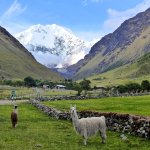
The dry season that tourists enjoy in Peru, on the other hand, is almost perfect. The Andean sky takes on a sky of blue that looks unrealistic in photos. The weather is fresh and crisp. Many trails that were closed in March are now open. And perhaps most importantly for supply chain professionals, domestic flights are on schedule and roads stay open. A note on the weather: while Incan settlements and jungles dry out during these months, the coastal city of Lima gets cloudier and mistier, in a thin fog the Peruvians aptly call garúa. So be wary of the “typical” overcast sky – a flight away and you’re basking in Andean sun.

Life in the Andean Highlands

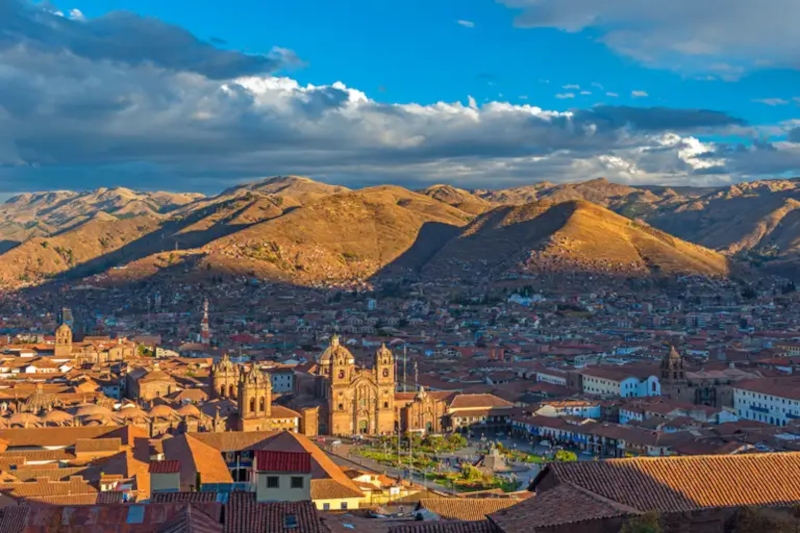
That’s generally what folks travel to Peru to see: mountains, the ruins, historic towns, valleys. And the highlands are definitely best in the dry season. It’s a lovely time of day. But it’s still a warm day (it cools down to 65°F (18°C) in Cusco) and the sun shines quite differently (at high altitude) than in other places, it’s sunny, yellow, like in a movie. It’s a great time to stroll, get some exercise.

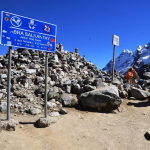
But it’s the nights that people mightn’t expect – they are cold. There’s little cloud to carry that heat to the earth, the air is thin and by mid-evening the highlands can be freezing. It’s not uncommon for it to be 30°F (-1°C) or below in June, July nights in Cusco and Puno. If you are planning to camp at high altitude (Cusco over 3,000m, Inca Trail over 4000m) you will need a warm sleeping bag (a good hostel). But June, July and August are still the most popular times to visit the Sacred Valley – not surprisingly. The trails are dry, the roads are not washed away and the vistas – terraces and historic walls and wide open sky – are almost postcard perfect.

The Trails: Machu Picchu and the Inca Trail

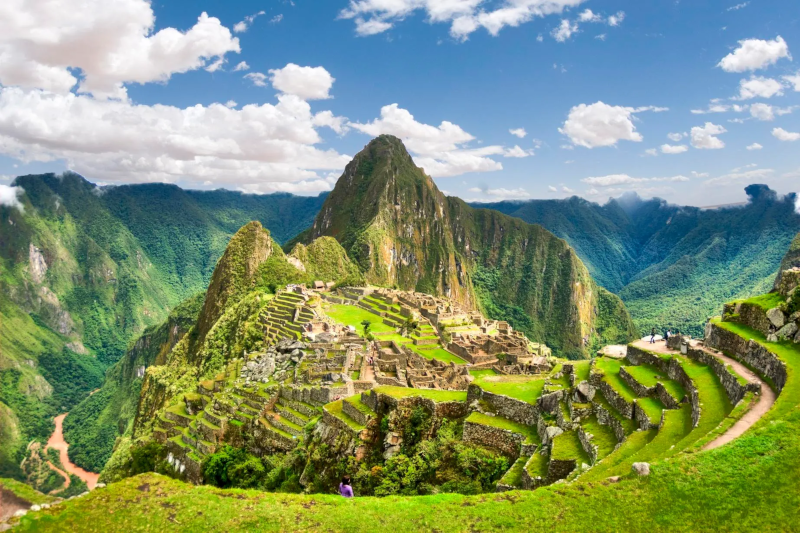
People tend to visit Peru’s Machu Picchu during the dry season – for good reason. Your trip to Machu Picchu is going to be wonderful, but the rainy season is more treacherous, as rocks are slippery. And the mist often envelops the mountainside and surrounds you in mist. Between May and October, you experience the promised Machu Picchu: all the mountains turn “green”, the sun shines in a clear blue sky, the ruins feel warm, and you see the full extent of the site.

Peru Dry Season

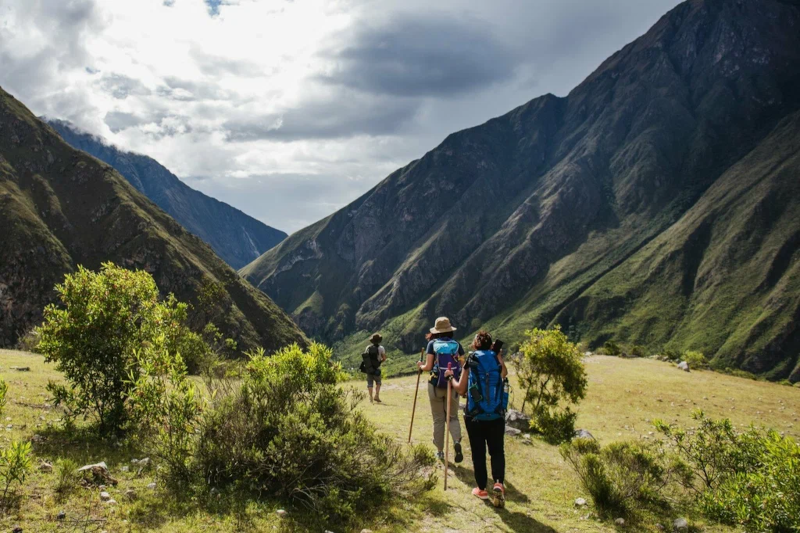
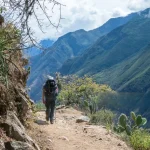
Anyone who wants to do more and wants to take the Inca Trail should go in the dry season. The trails are solid, the chance of landslides almost nil and brushing through cool air far more pleasant than rain. You camp at high altitudes, so be prepared for cold nights – four-season sleeping bag required. And logistically: plan ahead There’s only a limited number of Inca Trail permits issued by the government. It’s the same for train tickets, tours and accommodation in Sacred Valley. If you’re visiting the country from June through August, “a few weeks in advance” will usually not be enough

The Amazon and the Altiplano

The “ruins” can’t help but steal the show in Peru, but the advantages of dry season go beyond the mountains. In the Amazon, “dry” is relative (it’s still a jungle), but between May and October, it rains less, rivers drop, and rain-forest trails no longer flood, making them easy to explore.Lower water also concentrates wildlife. Now jungle animals are hanging out near diminishing water holes and clay licks. Your chances of finding macaws, capybaras and river otters improve substantially too. There’s less malaria-carrying mosquitoes, too, which is good for your night-time comfort.

In the south, on the cold, high-altitude plateau surrounding the shores of Lake Titicaca, you’ll enjoy another dry weather treat: fantastic night skies. The Altiplano is remote and yes, has less light pollution than many locations but it’s the dry weather of this time of year that makes the difference. With the air so dry, you can see the Milky Way: a phenomenon few city dwellers have ever seen. It’s cool in the evenings, but you feel like you are part of the Southern Hemisphere and its starry sky is turning in front of you: you won’t easily forget this experience.

Festivals and Culture

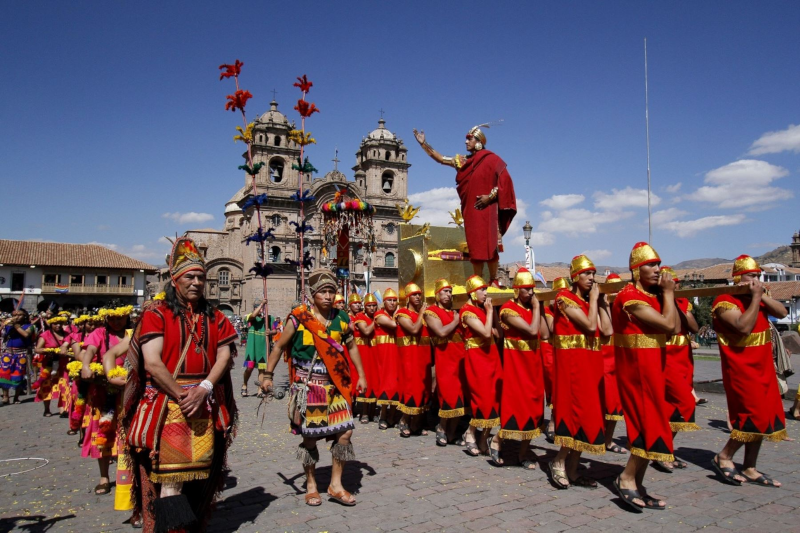
One thing that can get lost amid all the planning of trekking routes during the dry season in Peru is that a lot is happening. The highlight is Inti Raymi (Inca Festival of the Sun) on June 24 every year in Cusco. It coincides with the winter solstice – a crucial calendar day in Inca mythology. Today it’s a huge theatrical spectacle, with hundreds of dancers dressed in traditional costumes, sacred dances and rituals enacted within the precincts of the fortress of Sacsayhuaman overlooking the city. It’s one of those things that make you realise how strong South American culture is. 

The bad news is that, like everything else in high season, Cusco fills up for June 24th, and unless you book accommodation carefully in advance, you end up on the sidelines. The week of Inti Raymi is like any holiday weekend: use the rule of thumb that everything’s sold out unless you know differently.

Peru Dry Season

Practical Peru Travel Tips

Picking the right time is important to get into the event, but the trip won’t be a great success without some preparation. Here are some key tips for travelling in Peru. First tip: plan ahead. Everything – permits, trains, hotels, places to visit with a guide. Popular spots fill in six months or more. Second, go slow because of the altitude. Cusco is about 11,000 feet above sea level; altitude sickness has no mercy on those in good physical shape

For the first few days, consider doing little but rest and drink plenty of water. Coca tea is readily available, helpful and should be sipped. Don’t do too much booze within your first couple of days, and discuss altitude sickness with your doctor before you depart. Third, the UV light is much stronger than you might think. You can burn easily even at cool altitudes on windy days. High SPF (50+) sunscreen, a wide hat and sunglasses with polarized lenses are musts.

Packing for the Peruvian Dry Season

What to Pack: Layers “One man’s meat is another man’s poison” when it comes to the weather – you can go from hot to cold. Bring short- and long-sleeved wicking shirts to wear close to the body, as well as thermal underwear for cool mornings and evenings—avoid cotton, as it retains moisture and leaves you wet and cold. A decent fleece and a down jacket are good insulation choices.

Down packs light and keeps you warm when you truly need it. Carry a simple windcheater, even if rain is not predicted—wind blowing through the high passes can cut to the bone, even on a sunny day. Footwear must be boots, preferably waterproof and with strong support for your ankles – make sure you break them in at home. Finish up with a wool hat, warm gloves, that sun hat, polarised sunglasses and lots of sunscreen (SPF 50+).

Final Thoughts

The Peru dry season is nothing less than a Magic Season for travel. With the (relatively) stable weather, clear trails, easy access to animals and an impressive array of festivals and events, there’s nowhere you won’t enjoy visiting between May and October. Knowing why there’s a Peru wet season and dry season helps you know what to expect. And understanding what the dry season is like in Peru, the hot days, cool nights and very cold nights at high altitude, enables you to be fully prepared (bring warm clothing) for this adventure.

Peru Dry Season

Finally, these planning tips for travelling to Peru are seen as must-have tips and not good-have tips so you have a pleasure journey, and not a cruel journey because you haven’t taken your passport and Machu Picchu ticket (if you’re visiting Machu Picchu) or have the worst altitude sickness in the world because you didn’t bring the correct clothes and gear. The dry season is the best season to visit Peru. Take the necessary precautions, bring warm clothing and stay in a nice hotel to be comfortable and you’ll have an epic adventure in Peru.

Q&A

When is Peru’s dry season, and why is it considered the best time to visit? 

During these months, rainfall at night is minimal in both the mountains and the jungle, which keeps roads and trails dry while skies remain clear. By contrast, the wet season (Andean summer, from November to April) brings frequent rain, slippery routes, and persistent fog. Along the coast, especially around Lima, this period is also marked by dense mist, locally known as garúa

What temperatures should I expect in the highlands, and how should I pack?

Daily temperatures will vary greatly. Cleary skies and scorching equatorial sun in Cusco average 65°F (18°C) during the day. At night, the temperature can dip down to 30°F (-1°C) or less in June and July. Dress in layers of moisture-wicking materials, fleece, a goose down jacket, a windproof outer shell and waterproof boots. High altitude can fool you – remember high UV, SPF 50+, a hat and polarised glasses.

Is the dry season the best time to visit Machu Picchu and hike the Inca Trail? 

Yes. The trails are dry and safe, the views are superb, and there are few landslides. It’s pleasant to walk during the day, though camps are at high altitude – bring a four-season sleeping bag. Permits and support for the Inca Trail are saturated months in advance of the peak season; plan carefully.

What are conditions like in the Amazon and on the Altiplano?

In the Amazon, the river is lower, which keeps trails drier and wildlife concentrated near water, making it easier to spot. There are also fewer mosquitoes. In the Altiplano near Lake Titicaca the dry air provides some of the clearest sky views in the continent and is wonderful for stargazing – except that it’s cold.

Are there notable festivals or key planning considerations? 

The Inti Raymi festival in Cusco on June 24th is the season’s cultural event – a brilliant show, very popular and best booked well in advance. As a general Peru tip: don’t underestimate peak-season bookings and reserve six months in advance for key reservations. Adjust early to the altitude, drink plenty, keep the sun at bay and consider altitude medication with your doctor.

Leave a Reply