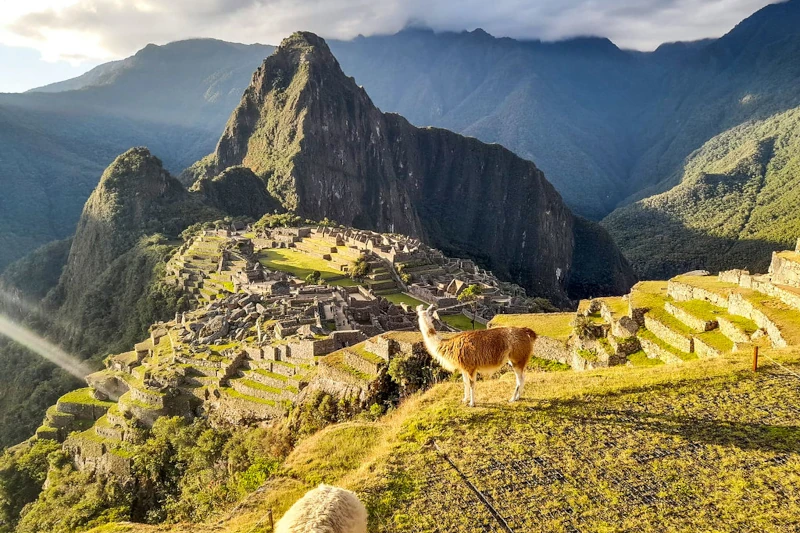
Imagine you are going to Machu Picchu. Do you not watch the old, sun-bathed post card with its jagged mountains against a clear blue sky? Or do you suppose there is a more mystic city and the old stones are growing out of a blank of clouds? They are both real and the choice which you receive boils down to one.
Majority of the people instinctively want the sunny shot but what most of the travelers have found. The sunny skies are usually accompanied by large numbers of visitors and expensive rates. It is not about whether to carry a poncho between the two seasons. It is actually about the kind of experience you will get in terms of the photos you will capture and the personal space.
Managing the Machu Picchu climatic conditions: rainy or dry season may be a daunting experience but it need not be so. This tip sheet is a dissection of what each season is like on the ground. The revelations about how pleasant the so-called wet months.
The first thing to consider about Machu Picchu weather is that seasons there are probably the reverse of what you are accustomed to at home. There is no need to think of July, as the high summer. In the Peruvian Andes, the dry season is between April and October. In fact the rainy season is between November and March. This is the only thing that matters in planning your Machu Picchu trip to Cusco. Sacred Valley because it determines the view, crowds as well as all other factors.
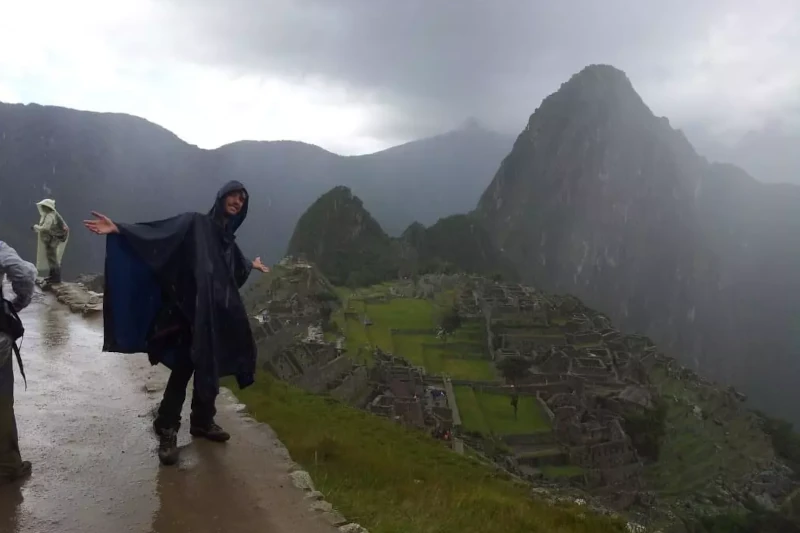
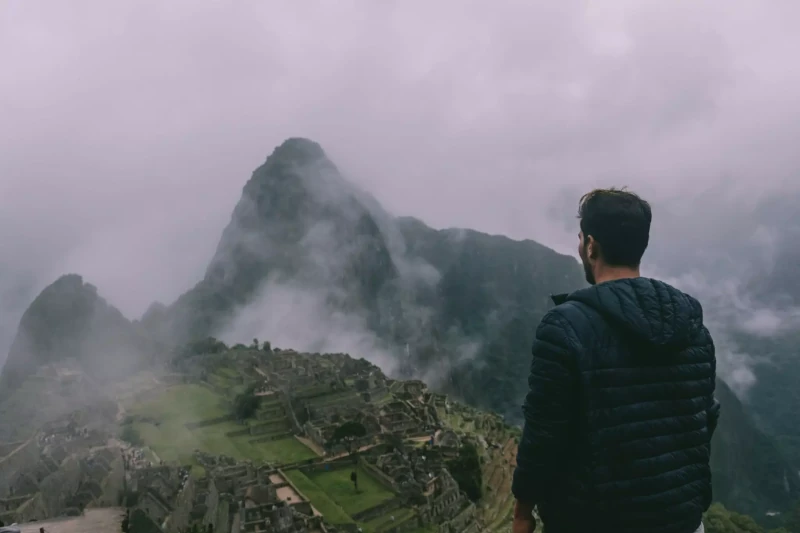
The rainy season is a misnomer nowadays, though. When you imagine the seven days of the downpour. The better description would be having a day with clear and sometimes sunny mornings. They are ideal to venture out with and then more likely a heavy afternoon shower. The compensation of this caprice is a landscape that is grandly fertile and vividly green with a singular. A mystic beauty and clouds playing amongst the old rocks.
Conversely, the dry season usually turns out to be what has been desired by most travelers. Having reliable days with blue skies, powerful sun. The most probable chances of those iconic, uninterrupted photos. Although you will still be looking to have a jacket. The Machu Picchu weather during the month may change dramatically at a Cusco elevation. The months are the surest in relation to sunshine. This almost perfect weather, of course, has its costs.

When that postcard-perfect view of Machu Picchu in a blue sky is your number one priority. Then it is the Cusco dry season calling your name. The most predictable sunny days will be between April and October which present breathtaking clear skies of the ancient citadel and the nearby mountains. It is the archetypal Machu Picchu adventure most tourists hope to have when their hiking could not be washed out with the least possibility.
But this glorious weather does not keep long a secret. The dry season, especially the months of June through August are the very best times of tourist season that can ever happen due to the trustworthiness of the sunshine. This is not merely sharing the opinion, it is a very practical contest of entry permits, train seats, and accommodation. To travel in these high seasons, not going through the Machu Picchu when there are many crowds is not a strategy but a trade-off. Reserving your Machu Picchu and other essential bookings 4-6 months ahead is not only a good thing to do.
Other than the crowd, there is another element to be considered it is the intensity of the sun. The Andean sun is extremely strong even on a day that seems cool at this high position. When left unprotected, it is possible to get a severe sunburn in very little time than you might have thought at sea level. Items that cannot be compromised in your daypack are a wide-brimmed hat, the sun glasses, and high-SPF sunscreen. The weather might also appear ideal, but it requires respect. To those, though. Who will be content to make the arrangements ahead of time and share the scene. The payoff is one of the most iconic vistas of the world in its full sunlit splendor.
If the thought of elbow-to-elbow crowds feels more daunting than a rain shower. In effect the rainy season might be your unexpected sweet spot. Running from November through March, this period transforms the Andes into a landscape of impossible green. The rain breathes life into the mountains, creating a lush, vibrant backdrop that’s missing during the drier months. And while clear blue skies are less common, they’re replaced by a different kind of magic.
Of course, it’s called the rainy season for a reason. While you’ll rarely see a week-long downpour, you should expect frequent, and sometimes heavy, afternoon showers. This brings a critical piece of planning into play for hikers: the classic 4-day Inca Trail is completely closed for maintenance every February.
Ultimately, the answer to “is it worth visiting Machu Picchu in the rain?” comes down to your priorities. You trade the guarantee of a perfect postcard photo for fewer people, lower prices, and a more serene connection with the site. For photography tips for travelers who value mood over pristine clarity, the Machu Picchu green season advantages offer a compelling reason to pack a poncho and embrace the clouds.

What if you didn’t have to choose between guaranteed sunshine with huge crowds and a quiet visit with a high chance of rain? For many savy travelers, the solution is the “shoulder season.” These are the transitional months that sit between the wet and dry extremes, offering a fantastic balance of both.
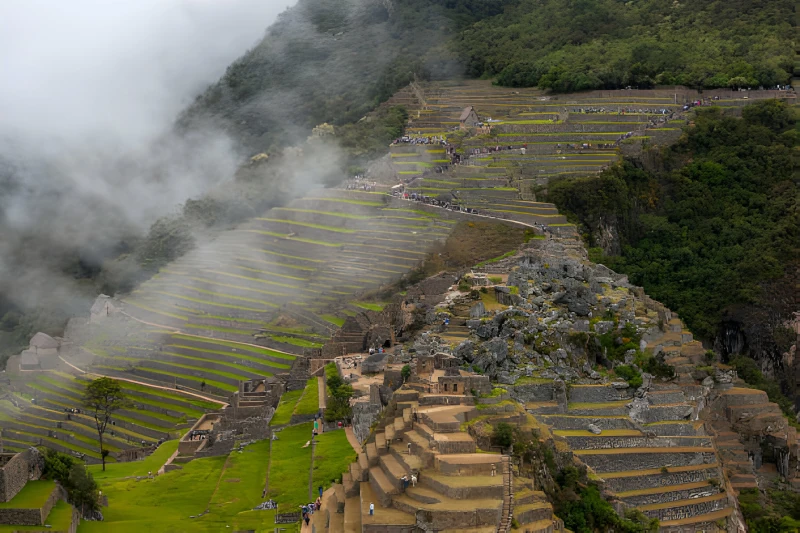
Falling in April, May, September, and October, these periods offer a “best of both worlds” experience. The landscape, still nourished by the rains, is lush and photogenic, yet the weather is mostly dry and pleasant. Most importantly, the peak-season crowds of June through August have either not yet arrived or have begun to thin out. This makes shoulder season travel to Peru a strategic choice for visitors who want more breathing room to explore the citadel without constantly reaching for a poncho.
If you’re trying to pinpoint the absolute best time of year to visit Machu Picchu, many experienced guides favor May and October. In May, you catch the tail end of the vibrant green scenery right as the sunny days become reliable. The Machu Picchu weather April vs October debate is close. October often gets the nod for its comfortable temperatures just before the heavy rains return. This ideal weather-to-crowd ratio is especially valuable when you’re planning to tackle the area’s famous hikes.
In addition to the perspectives of the highest points, the season alters drastically the experience below your feet. The debate between the dry season and rainy season of the Inca Trail usually hinges on the fact that when there is a dry season routes are hard and footing is safe. During rainy seasons, old stone steps may get slippery, and the trails may be muddy, which would require greater care. This is irrespective of whether you are walking the steep and narrow steps of Huayna Picchu or traversing the high mountain passes of the other Salkantay trek, and thus the dry season is the safer and more popular hiking preference of hikers.
This popularity largely affects planning. Due to the high demand of trekking especially during dry season, you cannot decide to hike randomly. Inca Trail and the much-desired Huayna Picchu climb tickets are scarce, and sell out remarkably quickly, up to four or six months ahead of prime times. In case you are determined to go on a hike during the period between May and October, one of the first things you need to do is to get your permit, and in some cases, even to book flights.
Last but not least is one rule that cannot be negotiated with by all trekkers. The traditional Inca trail is fully shut down every February to complete essential maintenance and to enable the ecosystem to rest. Although there are other options to the short Inca trail such as the Salkantay trek, which remains open, you simply cannot do the traditional Inca Trail in this month. This trail as well as the weather realities will directly affect what you will take with you on your adventure.

Layering is the most important packing strategy of Machu Picchu regardless of the season. The climate of this rain forest located at high altitude can switch any time, alternating warm sun to the icy wind and the reverse. The ability to add/subtract a fleece or a jacket is what will make you feel comfortable during your visit, be it when you are sightseeing Aguas Calientes (or exploring its ruins).
During a visit to the dry season (April- October), you should concentrate on sun protection as well as controlling cool temperatures. The sun at this altitude is very powerful and a sun hat, a high-SPF sunscreen, and sunglasses are not an option. Additional layers that you need are a t-shirt, a warm fleece and a light windproof or rain jacket to use on cold morning and evening.
Packing list Machu Picchu wet season (November-March) should focus on staying dry. It is at this point that a good waterproof-coat (not water-resistant), or even waterproof trousers, will make your best friends. Beneath, put on fast-dried clothes rather than cotton, which remain wet and cold. Due to the moisture, a good insect repellent is also a prudent thing to carry.

You have come here probably asking a mere question that is about rainy or dry season. You see now that the question is much more personal. Instead of merely planning around the seasons. You are now creating the exact Machu Picchu experience that you want to have. You do it with the knowledge of how the seasons influence crowds, prices, and the essence of the scenery.
When you are willing to explore that classic, sun-bathed shot and you are ready to endure the energy of high season, then you want the dry months, June to August. Should, however, you want a more philosophical adventure and feel the beauty in misty, atmospheric ruins. You will find it the easiest to avoid the crowds within Machu Picchu during the green.
To those who are interested in a happy middle ground, the shoulder months are the insider choice. April, May, September, or October is a good planning date as it can give an ideal combination. Fewer people, a green landscape, and a comfortable climate, which is a well balanced and radiant travel experience.