Cusco Elevation How High Is Cusco and How to Prepare

Cusco sits high up in the Andes, at about 3,399 meters above sea level. That makes it one of the highest cities in the world! The high altitude will challenge you, but the incredible views reward you, especially if you aren’t used to it.

The Sacred Valley and Surrounding Areas

The Sacred Valley of the Incas, near Cusco, is full of cultural and historical importance. It was a crucial agricultural area during the Inca Empire because of its fertile lands and perfect climate. Pisac and Urubamba are lower than Cusco, so visiting them helps you get used to the high altitude.

Ollantaytambo sits at around 2,792 meters and is a must-visit in the Sacred Valley. Its stone terraces are impressive, and its history is fascinating. Visiting these towns lets you see Inca ingenuity while giving your body a gentler introduction to the high Andes.
Cusco Elevation

Cusco’s Unique Topography

Cusco sits in the heart of the Andes and has a unique landscape of valleys, ridges, and peaks. This variety makes the area rich in biodiversity and cultural history. The high altitude affects the climate and farming, creating ecosystems that support many types of plants and animals.

The altitude also brings you closer to the clear skies, which is perfect for stargazing. The city’s high points give incredible views of both the natural surroundings and historic buildings.

Altitude in Cusco: What to Expect

Visitors often notice the effects of high altitude, known as altitude sickness in Cusco. Symptoms can include headaches, dizziness, fatigue, and shortness of breath. These happen because there is less oxygen in the air, and they can affect even experienced travelers.

Altitude sickness can range from mild to severe. Most people only feel minor discomfort, but it’s important to listen to your body. You may need medical attention in severe cases, so preparing in advance makes your trip smoother and more enjoyable.

Preparing for the Altitude in Cusco

Preparation is key when visiting high-altitude destinations like Cusco. Here are some practical tips to help you acclimate and enjoy your stay:

Gradual Acclimatization

If possible, spend a few days in a lower-altitude area, like the Sacred Valley, before you head up to Cusco. Taking this step-by-step approach helps your body adjust to the thinner air and lowers the chances of getting altitude sickness. Towns like Pisac and Urubamba help visitors adjust more easily to the Andes’ altitude because the valley sits lower than Cusco.

Doing light activities during this adjustment period is helpful to prevent altitude sickness. Easy hikes and short tours help your body get used to the altitude and enjoy the sights and culture.

Cusco Elevation

Stay Hydrated

Drinking plenty of water is essential when you’re at high altitudes. Staying hydrated helps your body handle the thinner air and can reduce some symptoms of altitude sickness. Keep a water bottle with you and sip regularly to stay hydrated throughout your visit.

Try to avoid too much alcohol and caffeine, as they can make dehydration worse. Herbal teas, natural juices, or locally recommended drinks like coca tea are good options. They not only keep you hydrated but also let you experience traditional Andean remedies.

Take It Easy

Visitors often notice the effects of high altitude, known as altitude sickness in Cusco. The common symptoms include headaches, dizziness, fatigue, and shortness of breath. These happen because there is less oxygen in the air, and they can affect even experienced travelers.

Listen to your body, and don’t hesitate to rest when you need to. Taking things easy helps you fully enjoy Cusco’s beauty and culture without feeling overwhelmed.

Altitude Sickness Remedies

Andean people have used natural remedies like coca tea or coca leaves for centuries to help prevent altitude sickness, and you can use them too. These remedies are easy to find and give a unique cultural experience at the same time.

Over-the-counter medications like acetazolamide can also help prevent or ease altitude sickness. Make sure to talk to a healthcare professional before your trip to see what’s best for you. Planning ahead allows you to enjoy your time in Cusco without worrying too much.

Exploring Cusco’s Top Attractions

Cusco isn’t just about its high elevation—it’s a city full of history and culture. Here are some must-see spots that show off the city’s rich heritage:

Sacsayhuamán

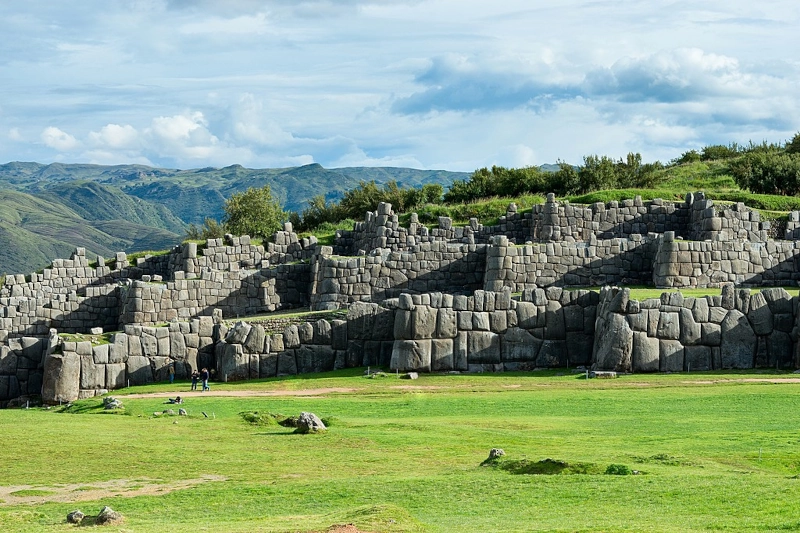
Sacsayhuamán is one of the most impressive archaeological sites in Cusco. This ancient fortress sits on a hill overlooking the city and is famous for its massive stone walls and incredible views. The precision in its construction is astonishing, with stones carefully cut and fitted without mortar.

This site was very important historically and culturally as a central location in the Inca Empire. You can wander its large grounds and imagine the grand ceremonies or meetings that once took place there. Today, it also hosts the Inti Raymi festival, offering a lively look at Inca traditions.

Cusco Elevation

Ollantaytambo

Just a short trip from Cusco, Ollantaytambo is both a town and an archaeological site that was once a royal estate for Inca nobles. Its cobblestone streets and well-preserved ruins give a real sense of the past and show off Inca engineering skills. The town layout is mostly unchanged from Inca times.

Visitors can climb the terraces for amazing views of the Sacred Valley attractions, or walk through the streets filled with local crafts and food. Ollantaytambo also serves as the gateway to Machu Picchu, and many travelers stop here before getting their Machu Picchu tickets.

The Historic Center of Cusco

The heart of Cusco is its historic center, a UNESCO World Heritage site. Walking the narrow streets, you’ll see a mix of Inca and Spanish colonial architecture. This mix tells the story of cultural blending and resilience.

Key landmarks include Plaza de Armas, the Cathedral of Santo Domingo, and Qorikancha, the sun temple. Each place gives insight into Cusco’s layered history, from its Inca roots to colonial changes. The busy streets and lively city life make this area a must-visit.

Cusco Elevation

Embracing the Cultural Heritage

Cusco is like a living museum where past and present meet. Festivals, music, and traditional crafts show off the city’s vibrant culture. Getting involved in local culture makes your visit more meaningful and helps you understand Cusco’s unique identity.

Participating in Local Festivals

Cusco has a lot of traditional festivals all year long. Inti Raymi, the Festival of the Sun, celebrates the winter solstice with detailed reenactments of Inca ceremonies. Semana Santa, or Holy Week, combines religious processions with local traditions. These events give visitors a chance to really dive into Cusco’s culture and feel the warmth and friendliness of its people.

The Semana Santa, or Holy Week, highlights religious processions and local customs, mixing Catholic traditions with indigenous influences. These festivals give a special opportunity to fully experience the local culture and enjoy the spirit and hospitality of the community firsthand.
Cusco Elevation

Supporting Local Artisans

Cusco is full of talented artisans who make beautiful textiles, ceramics, and jewelry. When you buy authentic crafts from local markets or cooperatives, you support the community and take home a piece of Cusco’s artistic heritage. Many of these items use traditional techniques passed down for generations, showing the region’s rich cultural story. Visiting places like Pisac Market also gives you a great chance to see this craftsmanship up close.

Visiting markets like San Pedro lets you get a real feel for daily life in Cusco. Artisan workshops give a closer look at how the art is made. Supporting these local artists helps preserve their skills and traditions so they continue for future generations.

Culinary Adventures in Cusco

Cusco’s food scene is as lively and diverse as its culture. Traditional Andean dishes like cuy (guinea pig) and pachamanca give adventurous eaters a real taste of local flavors. Restaurants and street vendors also serve Peruvian favorites like ceviche and lomo saltado, often with a special Cusqueñan twist.

Joining a cooking class can make your food adventure even better. You’ll learn about local ingredients and cooking techniques hands-on. This tasty experience not only satisfies your hunger but also connects you more deeply to Cusco’s food culture and traditions.

Conclusion

Cusco’s high elevation is both a challenge and a gift. It gives amazing views and a rich cultural experience. By preparing for the altitude and enjoying the city’s sights and traditions, you can make the most of your visit. Whether exploring ancient ruins, tasting local dishes, or taking part in lively festivals, Cusco invites you to discover its magic and history everywhere you go.

Plan your trip carefully, and Cusco will give you memories that last a lifetime. The city’s charm comes not only from its beauty but also from its connection to a past that still lives in its streets, landscapes, and people.