Andean cosmology is not the easiest thing to explain in a few sentences. Its not just one belief or one god, its more like a whole mindset that touches everything from how people farm to how they greet a mountain. Communities in the Andes have been living this way for ages and it still makes a lot of sense when seen up close.
The main idea is actually pretty simple once you get it. Everything matters and everything is connected. The water, the hills, the sacred animals, even the weather. Andean cosmology treats all of that as part of one big living thing that needs to be respected and kept in balance.

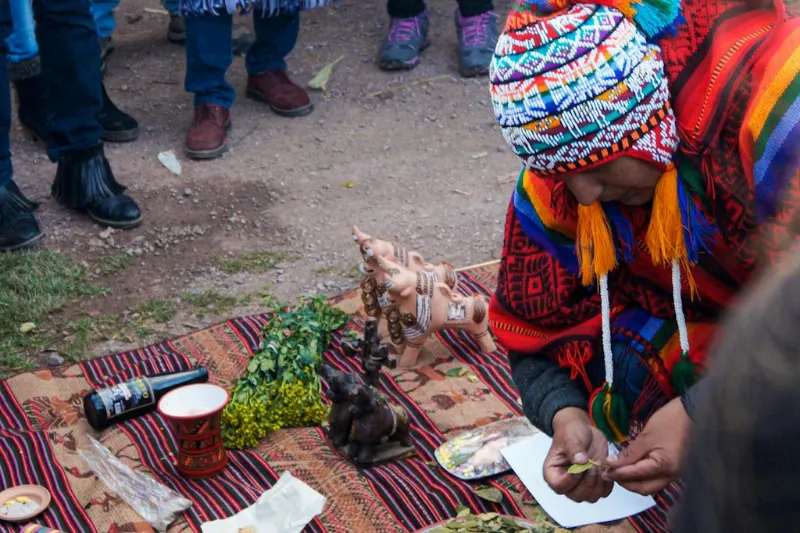
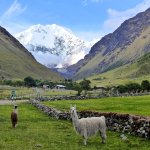
The sacred mountains (apus of cusco) thing sounds strange at first but once someone hears it explained it actually clicks pretty fast. The Apus are the mountains but treated as real beings with feelings and power. A family living near one will leave food or coca leaves for it the same way someone might bring something to a neighbor who helped them out.
People actually go up there to talk to them, not as a tourist activity but as something personal. Maybe someone is sick or a harvest went bad or a family needs some direction. That connection between people and the land is honestly one of the most visible parts of andean spirituality that can still be seen in communities today.
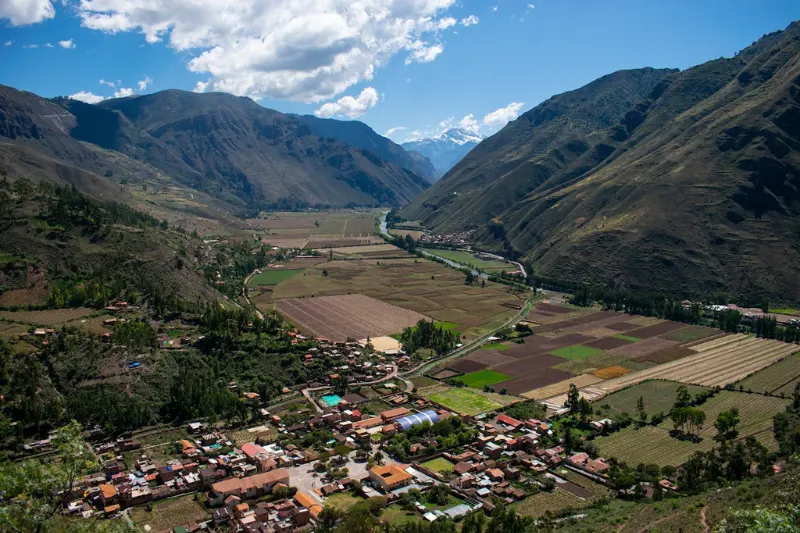
The Sacred Valley is where a lot of this comes together in one place. The Incas picked that spot for good reasons, the soil is rich, the location made movement easy, and it sat close to important religious sites. It became the center of farming, trade and ceremony all at once.
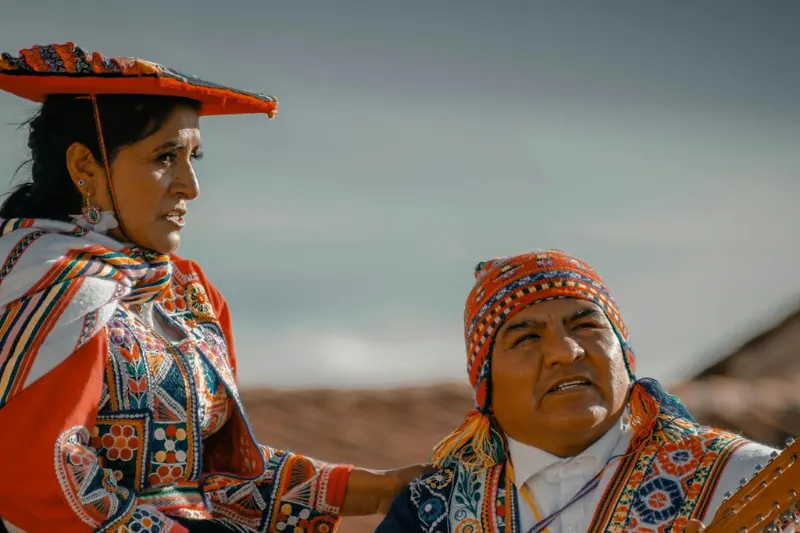
What surprises many visitors is that people still live that same way there. Tourists arrive thinking its a history trip but the communities nearby are still farming the old way, still doing festivals, still keeping their cultural heritage going like nothing stopped. That part does not get talked about enough.

The temples the Incas built were not just pretty buildings as the temple of the moon, one of the temples of Machu Picchu. They were lined up with the sun and stars on purpose, so that certain moments of the year felt extra powerful inside them. The spiritual practices that happened there were basically timed to match what was going on in the sky above.
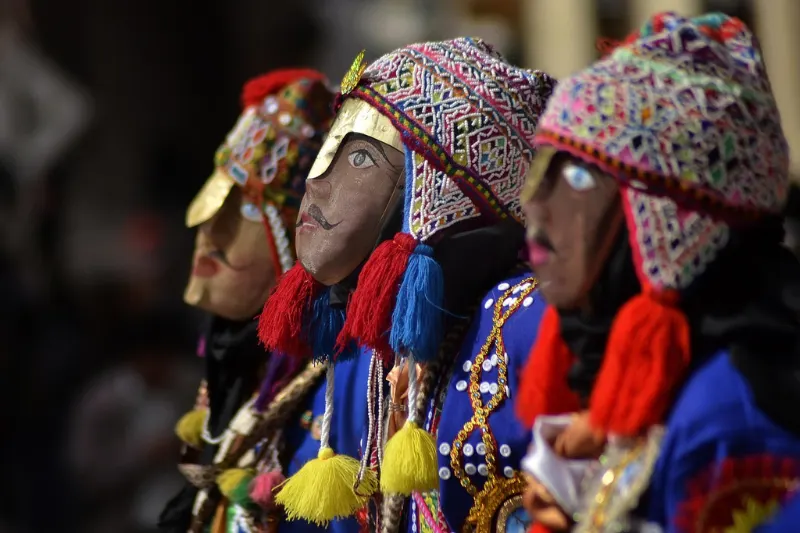
Ceremonies were not a small group thing either. Everyone came, brought stuff and participated. There was food and singing and people telling stories from inca mythology to the younger kids in inca language. It was one of those situations where learning and celebrating happened at the exact same time without feeling forced.
Inca mythology has all kinds of characters, gods, animals that talk, mountains that argue, floods that reshape the world. But the point of those stories was never just entertainment. They were teaching tools, explaining why people should respect nature, why community matters and why things change and thats ok.
What keeps it alive is the telling. An elder sits with some kids and starts talking and suddenly that knowledge moves forward another generation. No app needed, no school program required. Just someone who remembers deciding to share it. Thats how a lot of cultural heritage actually survives when you think about it.

When New Age folks started showing up wanting andean spirituality experiences it created a complicated situation. Some of them were genuinely curious and respectful. But a lot of it turned into paid ceremonies and wellness packages where the actual indigenous people were barely involved in the decisions.
It has pretty frustrated leaders from those communities for years.. Taking a sacred ritual, charging money for it and calling that appreciation is not how it works. Real respect for andean cosmology means asking those communities what they actually want, not just grabbing what looks interesting and running with it.
The communities are the ones who actually know how to keep this alive as the Inti raymi. When they run their own tourism, design their own education programs and lead their own research partnerships the results are way more genuine. Outside help only works when it follows their lead instead of trying to direct things.

Andean cosmology has survived a lot. Colonization, forced religion, economic pressure. The fact that it is still here and still growing says something. The job now is just making sure the people carrying it have the support and space they need to keep doing exactly that.