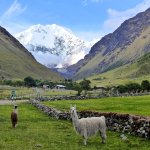
Llamas and alpacas are native to the Andean regions and thrive in the harsh, high-altitude environments that define the Andean Mountains. These resilient animals have adapted exceptionally well to thin air and cold temperatures at elevations reaching up to 14,000 feet, including areas near the towering peaks of Salkantay and Ausangate. As a result, their thick, woolly coats protect them from extreme weather, making them invaluable companions to the people who inhabit these remote regions.

The Andes Mountains stretch over 4,300 miles along the western edge of South America and cross seven countries, including Peru, where the Inca civilization flourished. Within this rugged terrain, llamas and alpacas established themselves as essential members of the highland ecosystem, grazing on sparse vegetation scattered across steep slopes and plateaus. Moreover, the Sacred Valley, located between Cusco and Machu Picchu, represents one of the many regions where these animals have supported human life for centuries.
At the same time, the extreme conditions of the Andes shaped not only the physical traits of llamas and alpacas but also their behavioral adaptations. Over generations, they developed remarkable resilience and learned to navigate steep, rocky landscapes with ease. Additionally, their ability to survive on limited food resources and endure harsh climates made them indispensable to Andean communities, where they served as pack animals and reliable sources of wool.
The physiological adaptations of llamas and alpacas to high-altitude living demonstrate extraordinary evolutionary success. They possess larger lungs and highly efficient oxygen-processing systems, which allow them to function where many other animals struggle to survive. Consequently, these adaptations enable them to thrive in the thin air of the Andes, where oxygen levels remain significantly lower than at sea level.
In addition, their unique circulatory systems and ability to conserve water further support survival in this demanding environment. These biological traits not only ensured their success in the Andes but also strengthened their cultural and spiritual importance within Inca society. The Incas admired these animals for their endurance and resilience, often viewing them as living symbols of strength and balance with nature.
Llamas and alpacas play a vital role in Andean biodiversity and help maintain ecological balance across their habitats. As grazers, they actively regulate vegetation growth, which prevents overgrazing and supports healthier landscapes. Furthermore, their grazing patterns encourage seed dispersal, contributing to plant diversity and long-term regeneration.
Beyond this, the presence of llamas and alpacas supports a wide range of other wildlife species, creating an interconnected and dynamic ecosystem. The Andean environment, known for its biological richness and complex ecological relationships, clearly reflects the importance of these animals in sustaining natural harmony across the region.
Although llamas and alpacas often appear similar at first glance, they possess distinct characteristics and fulfill different roles within Andean culture.
Llamas are larger than alpacas and typically stand about four feet tall at the shoulder. Because of their strength and endurance, Andean communities primarily use them as pack animals. Their long faces and distinctive banana-shaped ears make them easy to recognize. Alpacas, in contrast, are smaller and highly valued for their luxurious fleece, which feels softer and finer than llama wool. They also have shorter faces and spear-shaped ears.
Alongside these physical differences, behavioral traits further distinguish the two species. Llamas tend to display more independence and may act aggressively when threatened, which makes them effective guardians for herds. Alpacas, however, usually show gentle and social behavior, preferring to live in groups and exhibiting curious temperaments. These contrasting traits directly influenced how Andean societies assigned roles to each animal, with llamas transporting goods and alpacas supplying high-quality wool.
Throughout history, llamas and alpacas supported the economic foundation of Andean societies. Llamas carried heavy loads across long distances and enabled trade throughout difficult mountain terrain. As a result, they played a crucial role in connecting regions and supporting the vast trade networks of the Inca Empire.
Meanwhile, alpacas contributed significantly to textile production, which stood at the heart of the Inca economy. Their fine wool allowed artisans to create garments and textiles of exceptional quality. These valuable textiles circulated widely and reinforced social and cultural hierarchies. Therefore, the economic impact of llamas and alpacas extended well beyond practicality and deeply shaped Andean cultural structures.

The genetic and evolutionary history of llamas and alpacas offers valuable insight into domestication and adaptation. Researchers believe that llamas descended from wild guanacos, while alpacas evolved from vicuñas, with domestication occurring over thousands of years. Through selective breeding, Andean peoples encouraged traits that enhanced survival, strength, and fiber quality.
Recent advances in genetic research continue to reveal how these animals adapted so effectively to high-altitude environments. Understanding their genetic makeup improves scientific knowledge while also supporting conservation efforts. Protecting these species ensures that their unique traits endure despite environmental change, preserving both ecological balance and cultural heritage in the Andes.
The Inca civilization was deeply spiritual and grounded in a belief system that closely intertwined the natural and supernatural worlds. Within this worldview, llamas and alpacas held a revered place as sacred animals of Inca culture, believed to possess profound spiritual significance and protective power.
The Incas actively incorporated llamas and alpacas into religious rituals to maintain balance and harmony with the natural world. These animals appeared frequently in Inca art and iconography, where they symbolized fertility, prosperity, and a direct connection to the divine. During important agricultural festivals, communities offered sacrifices to the gods in hopes of securing abundance, stability, and collective well-being.
Such rituals were elaborate and rich in symbolism. During ceremonial events, priests adorned llamas with vibrant decorations and led them in processions toward sacred sites. Through these acts, the Incas believed they strengthened the bond between the human realm and the spiritual world. The presence of llamas and alpacas in these ceremonies reinforced their central role in Inca spirituality and emphasized their perceived ability to mediate between earthly life and the divine.
Inca mythology contains many stories that highlight the importance of llamas and alpacas. According to legend, the gods created these animals to help humans survive the demanding conditions of the Andean Mountains. As a result, people viewed them as intermediaries capable of carrying prayers, offerings, and messages to the gods.
Many mythological tales portray llamas and alpacas as guardians of the Andean people. These stories describe the animals guiding travelers across treacherous terrain and protecting communities from harm. Through such narratives, the Incas expressed deep respect for these animals, recognizing them as loyal companions essential to survival. The enduring presence of llamas and alpacas in Inca mythology underscores their spiritual value and the intimate bond between humans and nature.
Beyond religious rituals, the symbolism of llamas and alpacas extended into nearly every aspect of Inca culture. In textiles, pottery, and ceremonial objects, artisans depicted these animals with intricate designs that conveyed fertility, abundance, and harmony with the natural world. Through this imagery, Inca society reinforced their sacred status and cultural importance.
Even today, the cultural legacy of llamas and alpacas remains visible in Andean traditions and artistic expression. From ceremonial clothing to modern artwork, these animals continue to inspire creativity and cultural identity. Their symbolism serves as a lasting reminder of the Inca worldview, which emphasized balance, respect for nature, and interconnectedness between all living beings.
In contemporary Andean society, llamas and alpacas still play an essential cultural and economic role. However, modern challenges threaten their populations, including habitat loss, climate change, and shifting agricultural practices. In response, communities and organizations have launched conservation initiatives to protect these animals and preserve their cultural heritage.

Local communities and conservation groups actively collaborate to promote sustainable farming practices and safeguard natural habitats. These efforts include programs that support traditional weaving methods reliant on alpaca wool, as well as educational initiatives that inform visitors about the cultural importance of these animals.
Conservation strategies also focus on preserving genetic diversity and protecting unique physical traits. By encouraging responsible breeding practices and habitat conservation, these initiatives aim to ensure the long-term survival of llamas and alpacas. Strong cooperation among researchers, conservationists, and indigenous communities remains essential to maintaining the ecological and cultural legacy of the Andes.
Today, llamas and alpacas enjoy growing recognition beyond the Andes. Their wool commands high value in global markets due to its softness and durability. At the same time, these animals have become powerful symbols of Andean identity and an important attraction for travelers.
Tourists visiting places such as Machu Picchu, Rainbow Mountain Vinicuncaca and Rainbow Mountain Palcoyo often encounter llamas and alpacas in their natural environment. These encounters offer opportunities to learn about their historical roles and spiritual significance. As global demand for alpaca wool grows, Andean communities benefit from new economic opportunities that support traditional livelihoods and sustainable practices.
Despite their continued importance, llamas and alpacas face serious challenges in the modern world. Climate change alters grazing patterns, while habitat loss threatens traditional environments. Additionally, evolving agricultural systems sometimes reduce the roles these animals once played in daily life.
Future success depends on sustained collaboration among policymakers, conservationists, and local communities. By promoting awareness of their ecological and cultural significance, societies can help ensure these animals thrive for generations to come. Their legacy offers a powerful reminder of humanity’s responsibility to protect both cultural heritage and the natural world.
The legacy of llamas and alpacas reflects their enduring influence within Andean culture. As sacred animals of the Inca civilization, they shaped religious beliefs, economic systems, and daily life. Their contributions highlight their role as cultural icons deeply embedded in the history of the Andes.
The cultural influence of llamas and alpacas continues to shape modern Andean identity. Their presence in festivals, rituals, and artistic traditions reinforces connections to ancestral beliefs. These ongoing practices honor the past while strengthening cultural continuity in the present.
Communities celebrate this legacy through festivals, exhibitions, and cultural programs that highlight traditional knowledge and craftsmanship. Such events foster pride and help preserve cultural memory, ensuring future generations understand the importance of these animals within Andean heritage.

The history of llamas and alpacas offers valuable lessons about coexistence with nature. Their resilience and adaptability inspire solutions to modern challenges such as climate change and biodiversity loss. By learning from traditional practices, societies can develop sustainable approaches that respect ecological balance.
Myths and traditions surrounding these animals emphasize interconnectedness and respect for all life. These values remain relevant today, encouraging environmental stewardship and cultural responsibility.
The story of llamas and alpacas continues to inspire younger generations. Educational initiatives now emphasize their cultural, ecological, and historical significance. Through learning and engagement, young people develop a deeper appreciation for conservation and cultural preservation.
In conclusion, llamas and alpacas represent far more than livestock. They embody resilience, spirituality, and cultural identity within Andean society. Preserving these animals and their heritage ensures that future generations continue to learn from the wisdom of the Inca civilization and maintain a meaningful connection with the natural world.