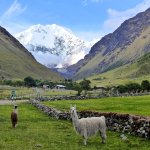
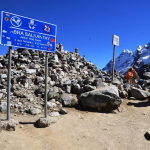
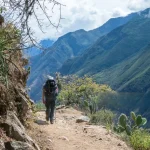
Perched high in the Peruvian Andes, Humantay Lake is a dazzling natural wonder that draws trekkers from around the world. Known for its turquoise waters and breathtaking views, it is an essential stop on the Salkantay Trek, a popular alternative to the Inca Trail leading to the renowned Machu Picchu. This complete guide will equip you with everything you need to know about the Humantay Lake from Cusco, from cultural insights to practical tips.
The Humantay Lake trek is a day hike that is often included as part of the longer Salkantay Trek to Machu Picchu. Starting from Cusco, the journey takes you through some of the most stunning landscapes in the Andes, offering a glimpse into the rich tapestry of Andean civilizations.

Humantay Lake, or “Laguna Humantay” in Spanish, holds deep cultural significance for the Quechua-speaking communities of the Andes. The lake is considered a sacred site, believed to be a dwelling of the Apu, or mountain spirits. These beliefs are an integral part of Andean cosmology, reflecting the profound connection between the indigenous peoples and their natural environment.
The reverence for the lake is evident in the rituals and offerings made by locals. Visitors may witness traditional ceremonies, where coca leaves and other offerings are given to the lake as a sign of respect. Understanding these practices enhances the trekking experience, providing deeper insight into the spiritual life of the Andes.
The interplay of nature and spirituality is a hallmark of Andean culture. The lake, with its pristine waters and surrounding peaks, serves as a reminder of the majestic forces that shape the world. Trekkers are encouraged to embrace this perspective, allowing themselves to connect with the landscape on a spiritual level.
The trek to Humantay Lake from Cusco starts at the Soraypampa campsite, situated at an elevation of approximately 12,600 feet (3,850 meters). From here, the trek ascends sharply to the lake, which sits at about 13,800 feet (4,200 meters). The altitude can be challenging, especially for those not acclimatized to high elevations. Therefore, it is advisable to spend a few days in Cusco acclimatizing before embarking on the trek.

Acclimatization is crucial for a successful and enjoyable trek. Spending time in Cusco not only helps your body adjust but also provides an opportunity to explore the city’s rich history and vibrant markets. Engaging in light activities, such as visiting local museums or enjoying the culinary delights, can aid in the acclimatization process.
The ascent to Humantay Lake from Cusco is steep, and trekkers should be prepared for a physically demanding journey. Taking regular breaks and maintaining a steady pace will help manage the altitude’s effects. Listening to your body and recognizing symptoms of altitude sickness is essential, ensuring that you can address any issues promptly.
When preparing for the Humantay Lake trek, packing the right gear is crucial. Here’s a checklist to ensure you’re well-equipped:

Safety should always be a priority when trekking in high-altitude regions. Here are some tips:
Preparing physically for the Humantay Lake trek can significantly enhance your experience. Engaging in cardiovascular exercises, such as jogging or cycling, can boost your stamina. Strength training, focusing on leg muscles, will help in tackling the steep ascents.
Health considerations are equally important. Consult your doctor before the trek, especially if you have pre-existing conditions. Ensure that your travel insurance covers high-altitude trekking, providing peace of mind during your adventure.
Humantay Lake is a photographer’s dream, with its vibrant colors and dramatic backdrop. Here are a few tips to capture its beauty:
Experimenting with composition can elevate your photography. Leading lines, such as pathways or ridgelines, guide the viewer’s eye through the image. Incorporate natural elements, like rocks or foliage, in the foreground to create layers and add interest.
Framing the lake with natural borders, such as trees or rocks, can focus attention on the water’s vibrant hues. Adjusting your vantage point, whether by crouching low or finding higher ground, provides unique perspectives and can enhance your photos’ impact.

Having the right equipment and settings can make a significant difference in your photography. Consider bringing a tripod for stability, particularly in low light conditions. A polarizing filter can reduce glare and enhance the lake’s colors, making them more vivid.
Adjust your camera settings to suit the lighting conditions. A low ISO setting minimizes noise, while a smaller aperture (higher f-stop) increases depth of field. Experiment with shutter speed to capture movement, such as clouds or water, adding dynamism to your images.
While the Humantay Lake trek is a rewarding day hike, it is also part of the longer Salkantay Trek to Machu Picchu. This trek is an excellent alternative to the more crowded Inca Trail or Short Inca Trail, offering solitude and stunning natural beauty.
To fully appreciate the Salkantay Trek, consider these planning tips:
Choosing the right season for your trek can greatly influence your experience. The dry season (May–October) offers clearer skies and less precipitation. The wet season (November–April) brings lush greenery and fewer crowds but also increased rain and muddy trails.
Trekking to Humantay Lake is more than just a physical journey; it’s a voyage into the heart of Andean culture and history. The lake’s stunning beauty and cultural significance make it a must-visit for any traveler to Peru. Whether you’re capturing the perfect photograph, learning about local traditions, or simply soaking in the views, Humantay Lake offers an unforgettable experience.
By preparing adequately and approaching the trek with respect for the local culture and environment, you’ll ensure a safe and enriching adventure. Consider integrating this trek into the broader Salkantay experience for an even deeper connection with the Andean world.
Embark on this journey, and let the spirit of the Andes guide you to new heights. The memories and insights gained from this trek will remain with you long after you leave, offering a lasting connection to the majestic landscapes and rich cultural heritage of Peru.