Mountains of Peru Discover the Andes and Sacred Peaks

Peru is a land of majestic landscapes and ancient civilizations, and the Mountains of Peru, especially the Andes Mountains with their towering peaks and sacred sites, lie at the heart of the country’s cultural and historical tapestry. Exploring these mountains offers a glimpse into the life and traditions of the indigenous who have called this region home for centuries. In this article, we will journey through some of Peru’s most iconic peaks and trails, uncovering the stories and significance behind them.

The Andes Mountains stretch along the western edge of South America, forming a dramatic backdrop to Peru’s vibrant cultural heritage. These mountains are not just a geographical feature but a sacred space revered by indigenous communities. For millennia, the Andean peoples have shaped the cultural, spiritual, and social practices of Andean civilizations.

Mountains of Peru

Cultural Significance of the Andes

The Andes are more than just a physical barrier; they are a spiritual axis for the communities living within and around them. For the indigenous people, these mountains are home to sacred spirits, known as “Apus,” who are believed to watch over them. Rituals and festivals often honor these mountain deities, showcasing a deep connection between the land and its inhabitants. This spiritual bond has shaped the cultural practices and traditions that continue to thrive in the region.

Biodiversity and Ecosystems

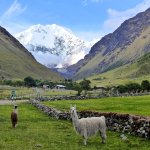
Peru is a land of majestic landscapes and ancient civilizations, and the Mountains of Peru, especially the Andes Mountains with their towering peaks, sacred sites, and grazing llamas, lie at the heart of the country’s cultural and historical tapestry. Exploring these mountains offers a glimpse into the life and traditions of the indigenous peoples who have called this region home for centuries. In this article, we will journey through some of Peru’s most iconic peaks and trails, uncovering the stories and significance behind them.

Historical Influence of the Andes

Throughout history, the Andes have served as a cradle for ancient civilizations, including the Incas. The mountains provided natural defenses, fertile lands, and resources essential for the development of complex societies. The challenging terrain also necessitated innovations in agriculture, architecture, and transportation, which are still admired today. The legacy of these ancient peoples is etched into the landscape, offering a window into their ingenious adaptation to the mountainous environment.

Salkantay: The Savage Mountain

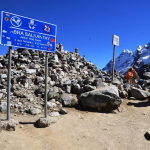
Salkantay, meaning “savage mountain” in Quechua, is one of the most revered peaks in the Andes. Towering at an altitude of 6,271 meters, it is a prominent feature of the Peruvian landscape. The Salkantay Trek is an alternative to the more famous Inca Trail, offering trekkers a more serene and less crowded path to Machu Picchu. This trek takes you through varied ecosystems, from lush rainforests to snow-capped peaks, providing a comprehensive glimpse of Peru’s diverse natural beauty.

The Salkantay Trek Experience

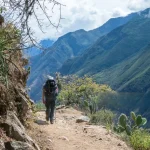
Embarking on the Salkantay Trek is a journey into the heart of nature’s extremes. The trek spans several days and covers a range of altitudes, each day revealing a different aspect of Peru’s natural splendor. From the dense cloud forests teeming with life to the stark, icy landscapes near the mountain’s summit, every step offers a new perspective. The experience is not just physical but also spiritual, as trekkers connect with the land in a deeply personal way.

Flora and Fauna Along the Trail

The Salkantay Trek is a haven for nature enthusiasts, offering encounters with an incredible variety of plants and animals. As you ascend, the vegetation changes dramatically, from orchids and bromeliads in the lower regions to hardy shrubs and grasses near the peaks. The area is also home to diverse wildlife, including Andean condors, spectacled bears, and vibrant bird species. Observing these creatures in their natural habitat is a highlight of the trek, underscoring the importance of preserving these ecosystems.

Cultural Interactions

The trek is not only a journey through nature but also an opportunity to engage with local cultures. Along the route, trekkers pass through small villages where Quechua-speaking communities maintain their traditional way of life. Visitors can learn about ancient agricultural techniques, weaving practices, and the role of the mountains in local folklore. These interactions enrich the trekking experience, offering insights into the resilience and adaptability of the Andean people.

The Sacred Valley: Heart of the Inca Empire

The Sacred Valley of the Incas, or Urubamba Valley, is another key region in Peru’s Andean Mountain. This fertile basin was once the heart of the Inca Empire and continues to be a place of great agricultural and spiritual importance. The valley is dotted with archaeological sites, traditional villages, and vibrant markets that offer a window into the region’s rich cultural heritage.

Mountains of Peru

Agricultural Significance

The Sacred Valley’s fertile lands have been cultivated for centuries, producing crops that are staples of the Andean diet. The Incas developed advanced agricultural techniques, such as terracing, which are still used today. These innovations allowed them to maximize the use of the valley’s varied microclimates, growing everything from potatoes and maize to quinoa and coca. The valley remains a vital agricultural center, sustaining the local population and preserving traditional farming practices.

Archaeological Marvels

The Sacred Valley is home to some of the most impressive archaeological sites in Peru. Ancient ruins like Ollantaytambo and Pisac showcase the architectural prowess of the Inca civilization. These sites feature expertly crafted stone structures and intricate terraces, reflecting the Incas’ deep understanding of engineering and astronomy. Exploring these ruins offers a glimpse into the empire’s sophisticated society and its enduring influence on the region.

Cultural Festivals and Traditions

The Sacred Valley is alive with cultural festivals that celebrate its rich heritage. Events such as Inti Raymi, the Festival of the Sun, and the vibrant markets in towns like Chinchero provide a colorful display of Andean culture. These festivals are a time for communities to come together, honoring their ancestors and traditions through music, dance, and ritual. Participating in these celebrations offers a unique opportunity to experience the living culture of the Andes.

Cusco: The Historical Capital

Cusco, the historical capital of the Inca Empire, is the gateway to the Sacred Valley and the Andes Mountains. This UNESCO World Heritage site is a blend of Inca and colonial architecture, showcasing the complex history of cultural interaction in the region. As you wander through its cobblestone streets, the echoes of the past come alive, offering insights into the lives of the Inca and their descendants.

Architectural Wonders

Cusco’s architecture is a testament to the city’s layered history. The juxtaposition of Inca stone foundations with Spanish colonial buildings creates a unique aesthetic. Structures like the Qorikancha, originally an Inca temple, later transformed into a colonial church, exemplify the blending of cultures. Exploring these architectural wonders reveals the resilience and adaptability of Cusco’s inhabitants through the ages.

Museums and Cultural Centers

Cusco is home to a wealth of museums and cultural centers that delve into its rich past. The Inca Museum and the Museum of Pre-Columbian Art offer insights into the region’s ancient civilizations, showcasing artifacts and art that span centuries. These institutions provide valuable context for understanding Cusco’s historical significance and the cultural exchanges that have shaped it. Visitors can deepen their appreciation for the city’s heritage through these educational experiences.

Modern Cusco: A Vibrant City

While steeped in history, Cusco is also a modern, vibrant city. Its bustling markets, lively festivals, and thriving arts scene reflect a dynamic blend of past and present. The city’s culinary offerings, from traditional Andean dishes to innovative fusion cuisine, highlight its evolving identity. Exploring modern Cusco offers a chance to witness the ongoing cultural evolution that makes this city a fascinating destination.

Machu Picchu: The Lost City

Machu Picchu, often referred to as the “Lost City of the Incas,” is Peru’s most iconic archaeological site. Nestled high in the Andes at an altitude of 2,430 meters, this ancient city remains a testament to the architectural and engineering prowess of the Inca civilization. Whether you arrive via the classic Inca Trail or the alternative Salkantay Trek, usually passing through Aguas Calientes, the sight of Machu Picchu emerging from the mist is an unforgettable experience.

The Mysteries of Machu Picchu

Despite its fame, much about Machu Picchu remains shrouded in mystery. The reasons for its construction, its exact purpose, and the methods used to build it continue to intrigue historians and archaeologists. Some theories suggest it was a royal estate or a religious retreat, while others propose it served as an astronomical observatory. The enigmatic nature of Machu Picchu adds to its allure, inviting visitors to ponder the secrets of this ancient wonder.

The Inca Trail: A Journey Through History

The Inca Trail is more than just a path to Machu Picchu; it’s a journey through history. The trail winds through breathtaking landscapes, passing by other significant Inca sites along the way. Trekkers can explore ruins such as Wiñay Wayna and Intipata, gaining insights into the lives and practices of the Incas. Walking in the footsteps of these ancient peoples offers a profound connection to their legacy and the land they cherished.

Mountains of Peru

Preservation Efforts and Challenges

Preserving Machu Picchu for future generations is a complex task. The site faces challenges from environmental degradation, tourism pressure, and climate change. Efforts to protect Machu Picchu include limiting the number of daily visitors, implementing sustainable tourism practices, and conducting ongoing archaeological research. These initiatives aim to balance the site’s accessibility with the need to preserve its integrity and significance.

The Rainbow Mountains: A Natural Spectacle

The Rainbow Mountains, or Vinicunca, are a relatively recent addition to the must-see list in Peru. Known for their vibrant, multi-colored layers, these mountains offer a visual feast for visitors. The hues are the result of sedimentary mineral layers exposed by erosion, creating a breathtaking natural phenomenon that has captivated travelers and photographers alike.

Geological Wonders

The Rainbow Mountains are a testament to the Earth’s geological processes. The striking colors are the result of mineral deposits, each layer reflecting different environmental conditions over millions of years. The reds, yellows, greens, and purples create a surreal landscape that seems almost otherworldly. Understanding the geological history behind these mountains enhances the appreciation of their beauty and the forces that shaped them.

Visitor Experience and Access

Visiting the Rainbow Mountains requires preparation and acclimatization due to their high altitude. The trek to Vinicunca is challenging but rewarding, offering panoramic views of the surrounding Andes. Tour operators provide guided treks, ensuring visitors can safely navigate the terrain while learning about the mountains’ significance. The experience is both a physical challenge and a visual delight, leaving a lasting impression on all who make the journey.

Environmental Impact and Conservation

The popularity of the Rainbow Mountains has raised concerns about environmental impact. Increased foot traffic can lead to erosion and habitat disruption, threatening the delicate ecosystems in the area. Conservation efforts focus on sustainable tourism practices, such as limiting visitor numbers and promoting responsible travel. Protecting the Rainbow Mountains is essential to preserving their natural beauty and ensuring they remain a wonder for future generations.

Palccoyo: A Hidden Gem

For those seeking a less crowded alternative, the Palccoyo Rainbow Mountain offers a similar spectacle without the throngs of tourists. Located in the same region as Vinicunca, Palccoyo provides a quieter, yet equally stunning, experience of Peru’s natural wonders.

Discovering Palccoyo

Palccoyo is an emerging destination that offers an easier trek compared to Vinicunca, making it accessible to a wider range of visitors. The journey to Palccoyo is filled with stunning vistas, showcasing the vibrant colors and unique landscapes that characterize the region. As you explore this hidden gem, you’ll encounter fewer tourists, allowing for a more intimate connection with the surroundings.

Local Communities and Culture

The route to Palccoyo passes through remote villages where traditional Andean life continues much as it has for centuries. Engaging with these communities offers a chance to learn about their customs, crafts, and daily routines. This cultural exchange enriches the visit, providing a deeper understanding of the people who call this region home and their relationship with the land.

Conservation and Sustainable Tourism

As Palccoyo gains popularity, efforts are underway to promote sustainable tourism practices. Local guides are trained to educate visitors about the environmental and cultural significance of the area, encouraging responsible behavior. Initiatives to support the local economy, such as community-based tourism projects, aim to ensure that the benefits of tourism are shared with those who live in the region.

Ausangate: The Mountain of the Gods

Mountains of Peru

Ausangate, one of the highest peaks in Peru, holds great spiritual significance for the Quechua people. Rising to an altitude of 6,384 meters, it is considered a sacred mountain, or “Apu,” in Andean cosmology. The Ausangate Trek is a challenging journey through remote landscapes, offering trekkers a chance to connect with the spiritual essence of the Andes.

Spiritual Significance

For centuries, Ausangate has been revered as a sacred mountain, believed to be a source of fertility and life. Pilgrimages to the mountain are common, with ceremonies and offerings made to honor the spirits believed to dwell within its heights. This spiritual connection is deeply rooted in Andean cosmology, reflecting a worldview that sees the natural world as imbued with sacred energy.

The Ausangate Trek: A Journey to Remember

The Ausangate Trek is renowned for its challenging terrain and breathtaking scenery. Trekkers traverse high-altitude passes, glacier-fed lakes, and rugged landscapes, experiencing the raw beauty of the Andes. The trek offers a unique opportunity to disconnect from the modern world and immerse oneself in the tranquility and majesty of nature. Each step along the trail is a reminder of the mountain’s power and the respect it commands.

Community Involvement and Support

Local communities play a vital role in preserving the cultural and natural heritage of the Ausangate region. Many trekking tours are operated by community members, providing employment and economic support. Trekkers are encouraged to engage with these communities, learning about their customs and supporting local initiatives. This collaboration fosters a sense of stewardship, ensuring that the mountain remains a sacred place for future generations.

Preparations for High-Altitude Treks

When embarking on a trek in the Andes, proper preparation is essential. The high altitudes can be challenging, and acclimatization is key to preventing altitude sickness. It is advisable to spend a few days in Cusco or the Sacred Valley to adjust before beginning any trek. Ensuring you have the right gear, including warm clothing, sturdy boots, and a reliable guide, will enhance your experience and safety.

Understanding Altitude Sickness

Altitude sickness can affect anyone, regardless of fitness level, when ascending to high altitudes too quickly. Symptoms include headaches, nausea, and fatigue, which can escalate if not addressed. Understanding the signs and knowing how to respond is crucial for a safe trekking experience. Staying hydrated, ascending gradually, and allowing time for acclimatization can help mitigate the effects, ensuring a more enjoyable journey.

Essential Gear for Trekking

Packing the right gear can make or break your trekking experience. Layered clothing is essential for coping with temperature variations, while high-quality boots provide the support needed for rugged terrain. A good backpack, trekking poles, and sun protection are also important. Investing in quality gear enhances comfort and safety, allowing you to focus on the stunning landscapes and cultural experiences.

Choosing the Right Guide

A knowledgeable guide can greatly enhance your trekking experience in the Andes. Guides offer insights into the region’s history, culture, and natural features, enriching your understanding and appreciation. They also provide logistical support, ensuring your safety and well-being throughout the trek. Selecting a reputable guide service is an investment in a rewarding and memorable adventure.

Guided Tours: Enhancing Your Journey

While independent travel has its charms, guided tours offer the advantage of local expertise and insights. Knowledgeable guides can provide context and stories that enrich your understanding of the landscapes and their cultural significance. Many tours also include visits to local communities, offering opportunities for cultural exchange and supporting sustainable tourism practices.

Benefits of Guided Tours

Guided tours provide a structured and informative way to explore the Andes, especially for first-time visitors. Guides share their extensive knowledge of the region, offering historical and cultural context that might be overlooked when traveling independently. This expertise enhances the travel experience, transforming a simple trek into an educational journey that deepens your connection to the landscape and its inhabitants.

Cultural Exchange Opportunities

Participating in guided tours often includes visits to local communities, providing a chance for cultural exchange. Travelers can learn about traditional crafts, agricultural practices, and daily life in the Andes. These interactions foster mutual understanding and respect, contributing to a more meaningful travel experience. Supporting community-based tourism initiatives also ensures that tourism benefits local populations.

Sustainable Tourism Practices

Guided tours are often designed with sustainability in mind, minimizing the environmental impact of travel. Tour operators promote responsible practices, such as reducing waste, respecting wildlife, and supporting conservation efforts. By choosing a guided tour that prioritizes sustainability, travelers can enjoy the Andes’ beauty while helping to preserve it for future generations.

Conclusion: Embracing the Andean Spirit

Mountains of Peru

Peru’s Andes Mountains are more than just a picturesque destination; they are a living testament to the enduring spirit of the Andean people. From the sacred peaks of Salkantay and Ausangate to the vibrant hues of the Rainbow Mountains, these landscapes invite travelers to explore, learn, and connect with a rich cultural legacy. By understanding the historical and spiritual significance of these mountains, we can appreciate the depth and diversity of the Andean cultures that continue to thrive today.

The Lasting Impact of the Andes

The Andes have shaped the history and culture of Peru in profound ways, leaving a lasting impact on its people and landscape. The mountains continue to inspire awe and reverence, drawing visitors from around the world. Embracing the Andean spirit means recognizing the region’s cultural richness and the importance of preserving its heritage for future generations. This awareness fosters a deeper appreciation for the interconnectedness of nature, culture, and history.

Personal Reflections and Experiences

Traveling through the Andes is a transformative experience, offering moments of introspection and connection. The majestic landscapes and vibrant cultures challenge travelers to reflect on their own relationship with nature and heritage. These personal reflections can lead to a greater understanding of the world and one’s place within it, making a journey to the Andes not just a physical adventure but a spiritual one as well.

Future Explorations and Adventures

The Andes Mountains hold endless possibilities for exploration and discovery. Whether trekking the iconic trails, visiting ancient ruins, or engaging with local communities, there are countless opportunities to immerse oneself in the region’s wonders. As travelers continue to explore the Andes, the spirit of adventure and curiosity will ensure that these mountains remain a source of inspiration and connection for generations to come.