Dead Woman’s Pass: How to Conquer It on the Inca Trail

Dead Woman’s Pass on the Inca Trail is the most demanding and unforgettable section of this ancient route to Machu Picchu. Located deep in the Andes, this high-altitude pass challenges hikers both physically and mentally. However, it also delivers one of the most rewarding moments of the entire trek.

From the first steep steps to the final push to the summit, conquering Dead Woman’s Pass requires preparation, patience, and determination. At the same time, it offers a powerful connection to Inca history and Andean culture.

The Short Inca Trail

The Short Inca Trail covers roughly 10 kilometers. Therefore, it is ideal for travelers with limited time. It provides stunning scenery and important archaeological sites without extreme physical demands.

In addition, the trail joins the main route at Wiñay Wayna. This site showcases agricultural terraces, fountains, and stone structures that reflect Inca ingenuity.

The Full Inca Trail

The Full Inca Trail stretches about 43 kilometers. More importantly, it includes Dead Woman’s Pass, the highest point of the trek.

Because of its length and elevation changes, this route requires endurance. However, it also rewards hikers with diverse landscapes, from cloud forests to alpine terrain.

Historical Significance of the Trail

The Inca Trail is not merely a path through the mountains; it is a historical corridor that reveals the Inca’s sophisticated understanding of their environment. The trail’s strategic placement showcases their ability to traverse and connect vast territories, facilitating trade and communication. 

Dead Woman's Pass

The Challenge of Dead Woman’s Pass

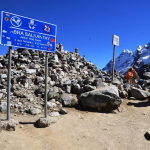
Dead Woman’s Pass, known as Warmiwañusqa in Quechua, reaches an elevation of approximately 4,215 meters (13,828 feet). Unsurprisingly, it is considered the toughest section of the trail.

Historically, this pass highlights the Inca’s ability to design roads across extreme mountain environments. Even today, their stone stairways remain remarkably intact.

Altitude and Acclimatization

The high altitude at Dead Woman’s Pass can pose significant challenges to hikers, including altitude sickness. Acclimatization is crucial, and it begins even before setting foot on the trail. Spending time in Cusco or other high-altitude areas before beginning the trek allows the body to adjust gradually, reducing the risk of altitude-related issues.

To further prepare, hikers should drink plenty of water and incorporate coca leaves into their regimen, a traditional Andean remedy for altitude sickness. Pacing oneself during the ascent is vital; slow and steady progress helps the body adapt to the thinner air.

Physical Preparation

Conquering Dead Woman’s Pass requires not only mental fortitude but also physical readiness. Regular cardiovascular exercises, such as hiking, running, or cycling, can enhance stamina and strength, making the climb more manageable. 

Practicing with a loaded backpack can help simulate the conditions faced on the trail, allowing hikers to get accustomed to the weight they will carry. This preparation not only builds physical capacity but also boosts confidence, knowing that one is well-equipped to tackle the challenges ahead.

Mental Resilience

The climb to Dead Woman’s Pass is as much a mental challenge as it is physical. Maintaining a positive mindset and setting achievable goals can make the journey more enjoyable. Breaking the ascent into smaller sections and celebrating each milestone reached can sustain motivation and focus, turning the daunting climb into a series of manageable tasks.

Mental resilience is bolstered by the camaraderie of fellow hikers. Sharing the experience with others can provide encouragement and foster a sense of community. Embracing the support and shared determination of the group can make the difference between success and giving up.

The Experience of Reaching the Summit

Reaching the summit of Dead Woman’s Pass is a moment of triumph and reflection. The breathtaking views from the top serve as a reward for the effort and determination needed to get there. The sense of accomplishment is profound, as hikers stand at the pinnacle of their journey, both literally and figuratively, gaining a new perspective on what they can achieve.

Dead Woman's Pass

Cultural Heritage Along the Way

The Inca Trail is more than a physical journey; it is a cultural odyssey. As hikers traverse the trail, they encounter remnants of the Inca Empire’s vast legacy, offering a glimpse into the past and a deeper understanding of this remarkable civilization.

The Significance of Dead Woman’s Pass

The name “Dead Woman’s Pass” is believed to derive from the silhouette of the surrounding mountain peaks, which resemble a reclining female form. While the name may evoke mystery, the pass itself is a testament to the Inca’s engineering prowess and their ability to navigate the rugged Andean terrain. 

The significance of Dead Woman’s Pass extends beyond its physical challenge. It represents the intersection of human determination and natural obstacles, a place where history and legend converge. 

Wiñay Wayna

Wiñay Wayna, meaning “forever young” in Quechua, is a stunning archaeological site located near the end of the Short Inca Trail. Its terraced slopes and stone structures offer insights into Inca agricultural practices and their harmonious relationship with the natural environment. 

Visitors to Wiñay Wayna can explore its well-preserved ruins, which include ceremonial baths and agricultural terraces. These structures highlight the Inca’s advanced understanding of water management and their innovative approaches to farming. 

Dead Woman's Pass

Architectural Marvels

Throughout the trail, hikers encounter a series of architectural wonders, from the fortress-like structures of Runkurakay to the ceremonial baths of Phuyupatamarca. These sites underscore the Inca’s sophisticated understanding of construction, astronomy, and hydrology. 

Runkurakay, with its circular design, provides insights into the Inca’s strategic military planning, while Phuyupatamarca’s baths demonstrate their mastery of water engineering. These architectural marvels are not just relics of the past; they are a testament to the enduring legacy of a civilization that continues to inspire awe and admiration.

The Cultural Legacy of the Inca

The Inca Trail is a living testament to the cultural richness of the Andean region. As hikers journey along the path, they engage with the stories and traditions of the Quechua people, the descendants of the Inca. This cultural exchange enriches the trekking experience, fostering a deeper appreciation for the heritage and resilience of the Andean communities.

Practical Tips for Conquering Dead Woman’s Pass

Packing Essentials

Before starting the trek, it’s important to prepare carefully and bring the right gear to ensure safety, comfort, and a successful journey

  • Proper Footwear: Sturdy, comfortable hiking boots with good ankle support are essential for navigating the rocky terrain. Investing in high-quality boots can prevent injuries and enhance comfort during long days of trekking.
  • Layered Clothing: The Andean climate can vary dramatically, so dressing in layers helps hikers adapt to changing temperatures. Lightweight, moisture-wicking fabrics are recommended to manage sweat and stay dry.
  • Hydration and Nutrition: Carrying a reusable water bottle and high-energy snacks, like nuts and dried fruits, ensures sustenance throughout the hike. Staying hydrated and nourished is crucial for maintaining energy levels and preventing fatigue.

Guided Tours

Joining a guided tour can enhance the experience by providing insights into the trail’s history and significance. Knowledgeable guides share stories of the Inca civilization, enriching the journey with cultural context. 

Guided tours often include porters, who assist with carrying equipment and setting up camps, allowing hikers to focus on the experience. The expertise and support of guides and porters can make a significant difference in the overall enjoyment and success of the trek.

Respecting the Trail

Preserving the trail’s integrity is paramount. Hikers are encouraged to follow Leave No Trace principles, respecting both the environment and the cultural heritage sites along the way. This includes packing out all trash, staying on designated paths, and refraining from touching or disturbing archaeological sites.

By respecting the trail, hikers contribute to the preservation of this precious cultural and natural resource. Responsible trekking ensures that future generations can enjoy and learn from the Inca Trail, maintaining its status as a world-renowned destination.

Preparing for the Unexpected

The Inca Trail can present unexpected challenges, from sudden weather changes to minor injuries. Being prepared with a basic first aid kit, extra clothing, and emergency supplies can help hikers navigate unforeseen circumstances. 

Dead Woman's Pass

Conclusion

Conquering Dead Woman’s Pass on the Inca Trail is a transformative experience, offering a unique blend of physical challenge, cultural immersion, and historical exploration. As hikers ascend this formidable pass, they are not merely walking in the footsteps of the Inca but engaging in a dialogue with the past, gaining a deeper appreciation for the resilience and ingenuity of one of history’s greatest civilizations.

Whether drawn by the allure of Machu Picchu or the desire to connect with Andean culture, the journey to Dead Woman’s Pass promises memories that will endure a lifetime. It is an adventure that challenges the body, enriches the mind, and touches the soul, leaving an indelible mark on all who undertake it.