Machu Picchu, a marvel of the ancient world, stands as a testament to the ingenuity and vision of the Inca Empire. Along Route 2A Machu Picchu, visitors experience this iconic site high in the Andes, where it is not just a relic of history but a living story of human achievement and cultural significance. Whether you’re a seasoned traveler or a curious mind, understanding the intricacies revealed along Route 2A Machu Picchu, including its history, terraces, and breathtaking views, is essential.
Machu Picchu, often referred to as the “Lost City of the Incas,” was brought into the global spotlight in 1911 by Hiram Bingham. Today, Route 2A Machu Picchu allows visitors to trace the legacy of this 15th-century Inca site, believed to have been constructed as an estate for Emperor Pachacuti. Nestled between the peaks of Huayna Picchu and Machu Picchu Mountain, the areas visible along Route 2A Machu Picchu continue to intrigue historians and archaeologists alike.

The rediscovery of Machu Picchu by Hiram Bingham in 1911 marked a pivotal moment in archaeological history. While locals were aware of the site, Bingham’s expedition brought global attention to what modern visitors now explore through circuits like Route 2A Machu Picchu. His journey, funded by Yale University and the National Geographic Society, revealed ruins hidden beneath dense jungle foliage. Although his early interpretation evolved, Bingham’s work laid the foundation for the global recognition that makes Route 2A Machu Picchu so significant today.
The Inca Empire, which spanned much of western South America, was renowned for architectural mastery, and Route 2A Machu Picchu showcases this brilliance firsthand. The city’s design reflects a deep understanding of astronomy and sacred geography. Positioned at 2,430 meters above sea level, the viewpoints along Route 2A Machu Picchu offer commanding vistas over the Sacred Valley. The precisely cut stones, assembled without mortar, remain one of the most striking features visible along this route.
Pachacuti, the ninth Sapa Inca, transformed the Kingdom of Cuzco into the vast Inca Empire. Under his reign, Machu Picchu was constructed, and areas highlighted along Route 2A Machu Picchu reflect his ambition and vision. Celebrated for innovations in agriculture, military strategy, and urban planning, Pachacuti’s legacy is embedded in the structures and ceremonial spaces encountered along Route 2A Machu Picchu, reinforcing the site’s role as a royal retreat.
Despite its grandeur, Machu Picchu was abandoned less than a century after its construction. Scholars speculate that political upheaval or disease led to its desertion. As visitors walk Route 2A Machu Picchu, they encounter unanswered questions surrounding the site’s sudden abandonment. Since the Spanish never discovered Machu Picchu, the mysteries surrounding its purpose and decline remain an enduring part of the experience.
A signature feature visible along Route 2A Machu Picchu is the agricultural terrace system. These terraces were designed to prevent erosion and maximize crop production on steep mountain slopes. The Incas cultivated various crops here using advanced irrigation systems. The terraces along Route 2A Machu Picchu demonstrate the civilization’s remarkable ability to work in harmony with nature.
The terraces encountered on Route 2A Machu Picchu are masterpieces of ancient engineering. Built with layers of stone, gravel, and soil, they absorbed rainwater and prevented landslides. This system stabilized the mountain terrain and ensured effective drainage. The longevity of the terraces seen along Route 2A Machu Picchu highlights the Incas’ sophisticated understanding of hydrology and sustainable construction.
The Incas excelled at adapting agriculture to diverse ecosystems, and the terraces visible on Route 2A Machu Picchu reflect this expertise. Microclimates created by the terraces supported crops such as maize, potatoes, and quinoa. These sustainable farming techniques ensured food security and strengthened the empire. Exploring Route 2A Machu Picchu reveals how agricultural innovation was central to Inca prosperity.
Beyond practical use, the terraces along Route 2A Machu Picchu held deep spiritual meaning. They symbolized the connection between earth and sky, reflecting Inca beliefs in the sacredness of nature. Ceremonial practices may have taken place here, honoring Pachamama, the Earth Mother. This fusion of spirituality and functionality, visible throughout Route 2A Machu Picchu, underscores the cultural depth of the Inca civilization.

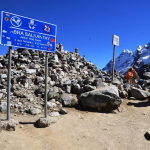
Walking the Classic Inca Trail is a journey through history itself. This ancient path was once part of the extensive network of roads that connected the vast Inca Empire. Today, it offers travelers a chance to experience the mystical beauty of the Andes firsthand. The trail weaves through diverse ecosystems, past ancient ruins, and culminates in the awe-inspiring view of Machu Picchu from the Sun Gate.
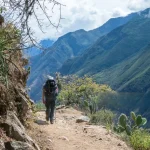
The Classic Inca Trail is more than just a trek; it’s a pilgrimage through history. The path winds through ancient archaeological sites like Wiñay Wayna and Runkurakay, each telling a story of the Inca’s rich cultural heritage. Walking the trail offers an immersive experience, allowing trekkers to connect with the Inca’s past and appreciate their legacy of innovation and resilience.
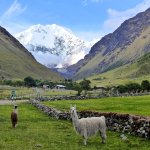
As hikers traverse the Inca Trail, they encounter a stunning variety of ecosystems. From cloud forests teeming with orchids and bromeliads to high-altitude grasslands inhabited by llamas and alpacas, the trail showcases the Andes’ ecological diversity. This environmental richness adds layers of beauty and intrigue, making the journey as rewarding as the destination.
Preparing for the Inca Trail requires physical endurance and careful planning. Trekkers should acclimatize to the altitude to prevent altitude sickness and ensure a comfortable experience. Packing essentials like sturdy boots, weather-appropriate clothing, and adequate hydration is crucial. Understanding the challenges and rewards of the trail enhances the overall adventure.
For those seeking a different adventure, the Inca Jungle trail combines biking, hiking, and even zip-lining through the lush, verdant landscapes surrounding Machu Picchu. This route offers an exhilarating blend of adrenaline and history, providing a unique perspective on the Inca’s world.
The Inca Jungle Trail is a thrilling alternative to the traditional Inca Trail. Starting with a mountain biking descent from the Andes into the jungle, it offers a dynamic adventure through diverse terrains. Hikers traverse through coffee plantations, dense forests, and rushing rivers, culminating in a rewarding ascent to Machu Picchu. This route’s blend of adventure and cultural immersion attracts thrill-seekers and history enthusiasts alike.
Along the Inca Jungle Trail, travelers have the opportunity to explore the Sacred Valley’s cultural and natural richness. Visits to local villages provide insight into traditional Andean lifestyles, while the lush landscapes offer breathtaking scenery. This route encourages a deeper connection with the region’s people and places, enhancing the overall experience.
For a more relaxed journey, the train to Aguas Calientes, the gateway to Machu Picchu, offers a scenic and comfortable travel option. As the train winds through the Sacred Valley, passengers are treated to stunning vistas of mountains and rivers, setting the stage for the grandeur of Machu Picchu.

The train ride to Aguas Calientes is a feast for the senses. Large panoramic windows offer sweeping views of the Sacred Valley’s dramatic landscapes, from towering snow-capped peaks to lush river valleys. The journey is an ideal way to immerse oneself in the region’s natural beauty while comfortably traveling to one of the world’s most iconic archaeological sites.
Several train services operate to Aguas Calientes, each offering different levels of comfort and luxury. Travelers can choose from economical options to more luxurious services that include gourmet meals and live entertainment. Selecting the right service depends on personal preferences and budget, ensuring a memorable journey to Machu Picchu.
Aguas Calientes, also known as Machu Picchu Pueblo, is the final stop before reaching the ancient citadel. This bustling town provides a range of accommodations and dining options, allowing travelers to relax and prepare for their visit to Machu Picchu. The vibrant atmosphere and proximity to the site make it an essential part of the journey.
Hidden in the shadow of Huayna Picchu, the Temple of the Moon is a lesser-known gem of Machu Picchu. This ceremonial site features a series of caves and is believed to have been a place of worship and ritual for the Incas. Its mysterious aura and intricate carvings make it a must-visit for those interested in the spiritual life of the Incas.
The Temple of the Moon is shrouded in mystery and intrigue. Located within a natural cave, the temple features finely crafted stonework and niches, suggesting its importance in Incan ceremonial life. Visitors can feel the spiritual energy that once permeated the space, offering a glimpse into the Incas’ profound connection with the divine.

The architectural design of the Temple of the Moon showcases the Incas’ mastery of stone masonry. The precise carving and alignment of the stones reflect their sophisticated engineering techniques. This site exemplifies the blend of natural and man-made elements, illustrating the Incas’ ability to harmonize with their environment.
Climbing Huayna Picchu is a challenge that rewards adventurers with panoramic views of the Machu Picchu site and the surrounding Andes. The ascent is steep and requires a permit, but the sight from the summit is unparalleled—a sweeping vista that captures the full majesty of the Incan landscape.
Ascending Huayna Picchu is a formidable challenge, requiring determination and physical fitness. The narrow, winding path tests even seasoned hikers, but the reward is worth every step. The sense of achievement upon reaching the summit is matched only by the breathtaking views that await.
The summit of Huayna Picchu offers an unrivaled view of Machu Picchu and the surrounding landscape. The sweeping panorama reveals the full extent of the Inca’s architectural genius and the site’s dramatic natural setting. This vantage point provides a deeper appreciation of Machu Picchu’s significance and beauty.
Beyond Machu Picchu, the Sacred Valley itself is a treasure trove of Inca history and culture. From the ancient city of Ollantaytambo to the vibrant markets of Pisac, the valley offers a deeper dive into the life and times of the Incas, making it an essential part of any visit.
Ollantaytambo is one of the best-preserved Inca towns, offering a glimpse into ancient urban planning. The fortress and terraced hillsides reveal the Incas’ strategic military and agricultural expertise. Walking through the cobbled streets and exploring the ruins provides a tangible connection to the past and insights into the Inca’s daily life.
The town of Pisac is renowned for its vibrant markets and stunning archaeological site. The markets offer a rich array of traditional crafts, textiles, and produce, allowing visitors to engage with local culture. The nearby ruins, perched high above the town, provide spectacular views and a deeper understanding of Inca civilization.

The Sacred Valley’s natural beauty is matched by its cultural richness. The valley’s lush landscapes and historical sites offer endless opportunities for exploration and discovery. From hiking trails to cultural tours, the Sacred Valley enchants visitors with its charm and significance.
Given Machu Picchu’s elevation, acclimatization is key to a comfortable visit. It’s advisable to spend a few days in Cusco or the Sacred Valley to adjust to the altitude before tackling the Inca Trail or exploring Machu Picchu.
To acclimatize effectively, travelers should take it slow, stay hydrated, and avoid alcohol and heavy meals. Engaging in light activities and allowing the body to adjust naturally can help prevent altitude sickness. Coca tea, a traditional remedy, is also recommended for its energizing and acclimatization properties.
Visitors should consult with a healthcare professional before traveling to high altitudes, especially if they have pre-existing health conditions. Packing a basic first-aid kit and knowing the location of local medical facilities is advisable. Being prepared ensures a safe and enjoyable visit.
Access to Machu Picchu and Huayna Picchu requires tickets and permits, which should be booked well in advance, especially during peak seasons. It’s important to plan accordingly to ensure a smooth and hassle-free experience.
Due to the site’s popularity, it’s crucial to book tickets several months in advance, particularly for the Inca Trail and Huayna Picchu climbs. Online booking systems provide convenience and security, allowing travelers to secure their preferred dates and experiences.
Visitors should familiarize themselves with entry regulations and restrictions to avoid any complications. This includes understanding the limits on daily visitors, prohibited items, and the importance of respecting the site’s cultural heritage. Adhering to these guidelines ensures the preservation of Machu Picchu for future generations.
The best time to visit Machu Picchu is during the dry season, from May to October, when the weather is clear and the trails are in optimal condition. However, this is also peak tourist season, so early booking is essential.
Travelers should prepare for variable weather conditions by packing layers, rain gear, and sun protection. Understanding the seasonal climate helps visitors dress appropriately and enjoy their experience regardless of the weather. Proper preparation enhances comfort and enjoyment.
Visiting during the shoulder seasons, such as April or November, can provide a more tranquil experience with fewer crowds. While there may be occasional rain, the lush landscapes and quieter paths offer a unique perspective on Machu Picchu’s beauty. Travelers seeking a more intimate experience may find this time ideal.
Machu Picchu is more than just a destination; it’s an experience that transcends time, offering a glimpse into the fascinating world of the Inca Empire. From the terraces that echo the past to the iconic views that captivate the present, Machu Picchu stands as a symbol of human resilience and creativity. Whether you choose the Classic Inca Trail, the Inca Jungle route, or a scenic train ride, the journey to this ancient wonder is one that promises to enrich your understanding of history and inspire your sense of adventure.
Embark on this journey with an appreciation for the cultural heritage that Machu Picchu embodies—a heritage that continues to inspire and captivate travelers from around the globe. As you explore its ancient paths and witness its breathtaking vistas, let Machu Picchu’s story become a part of your own narrative, a testament to the enduring spirit of exploration and discovery.