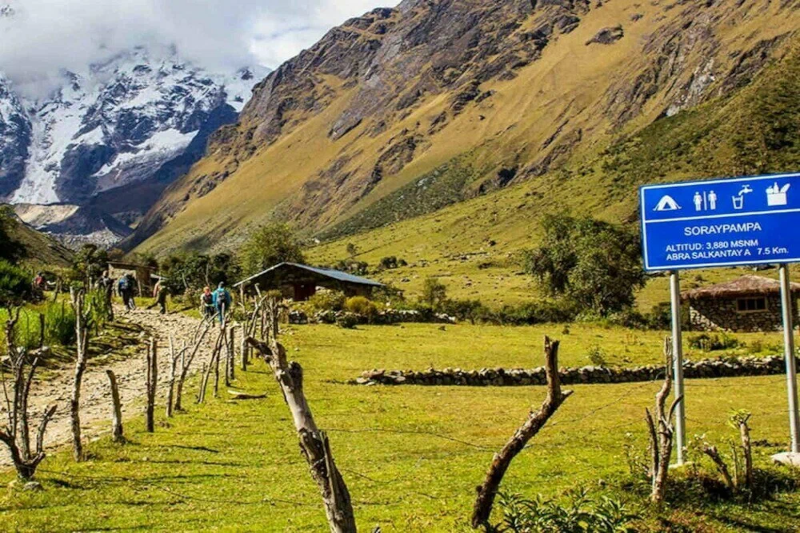
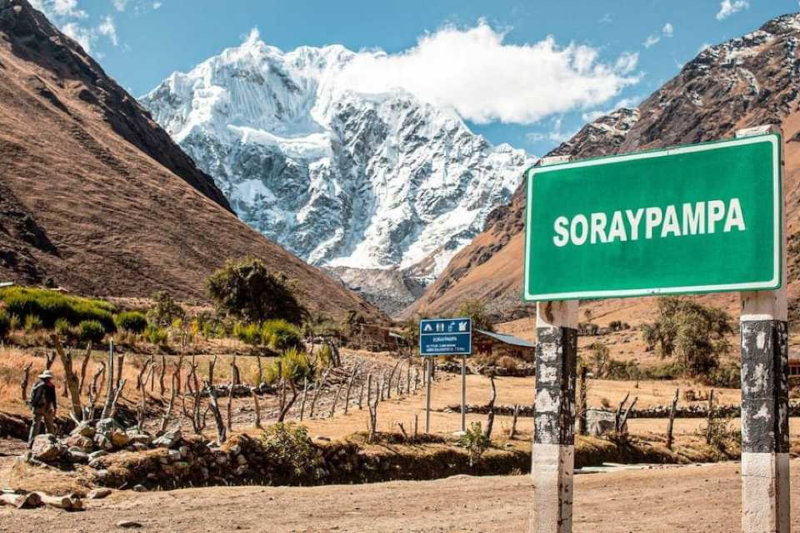
Soraypampa is one of those places that sounds like a password until you get there. Then it clicks. You step out into thin, cold air, look up, and—boom—glaciers. Big ones. The kind that make you whisper, “Okay… this is serious.”

If you’re searching Soraypampa Peru, you’re probably planning either Humantay Lake or the Salkantay trek (or both, because why choose?). Soraypampa is the high valley where the road basically shrugs and says, “That’s as far as I go.” After that, it’s you, your legs, and your plan.
Soraypampa is a high-altitude basin in the Andes, usually treated as a trailhead and first campsite. It sits at about 3,900 meters / 12,795 feet. That number sounds like trivia until you try to walk up a gentle slope and your lungs file a complaint.
From a trip-planning angle (yes, we’re doing a little project management here), Soraypampa is your handoff point: vehicles stop, trekking starts. It’s also where many people do the “sleep high” part of acclimatization before they tackle the Salkantay Pass.
And here’s the mild contradiction: Soraypampa is both a quick stop and a major event. It’s quick because the valley itself is small. It’s a major event because the altitude changes everything—your pace, your sleep, your appetite, your mood. Same place, two realities. That’s normal up here.
Most routes start in Cusco, swing through Mollepata, then climb up rougher roads to Soraypampa. The total travel time often lands around 3 hours, give or take traffic, weather, and how much the driver likes hairpin turns.
What works best depends on your budget and how much you enjoy logistics:
Small digression that matters: download your offline maps before you leave Cusco. AllTrails is handy, but I also like Gaia GPS if you’re the type who feels calmer when a blue dot proves you exist. And if you’re watching weather, check more than one source—Mountain Forecast and the standard apps don’t always agree, and the Andes love surprises.
The hike to Humantay Lake is often listed as roughly 2.5 km / 1.5 miles one way. On paper, that’s a warm-up. At Soraypampa altitude, it can feel like a stairwell that never ends.

Here’s the thing: the winning strategy isn’t speed. It’s pacing. Think “steady and boring.” Small steps. Regular breaks. Sip water. Pretend you’re a battery and you’re trying to avoid overheating.
If your knees or lungs aren’t thrilled, locals often have horses available near the lower part of the trail. Some people feel weird about that. Some people feel grateful. Either reaction is fair. The point is getting up safely and enjoying the day instead of turning it into a suffering contest.
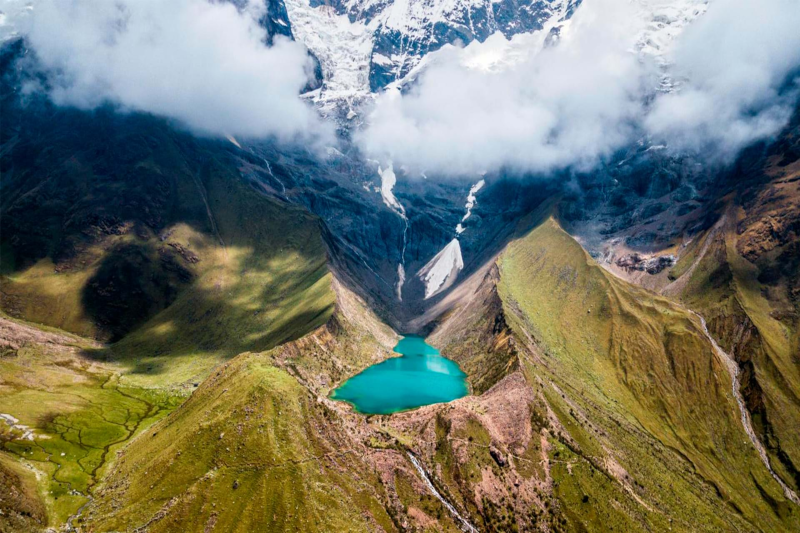
And then you arrive. Humantay Lake is that surreal turquoise, like someone dropped food coloring into glacier melt. The color comes from fine mineral particles—“glacial flour”—that scatter light in a way your camera will struggle to capture. You’ll take photos anyway. Of course you will.
Altitude sickness (often called soroche in Peru) isn’t about being tough. It’s about biology. At high elevations, the air pressure is lower, so each breath delivers less oxygen. Your body can adapt, but it needs time.
A simple check that works better than bravado:
If symptoms get serious, the fix is simple and annoying: go down. Not later. Not after one more viewpoint. Down. That’s the safety policy, and it’s a good one.
What helps most people?
Another small, real-world note: alcohol the night before Soraypampa is a bad trade. It feels fun in Cusco. Then you wake up higher, drier, and headachier. Not worth it.
Soraypampa nights get cold fast. Think near freezing, and sometimes below. The sky can be absurdly clear, which is great for stargazing and less great for warmth. High altitude doesn’t hold heat the way lower valleys do.

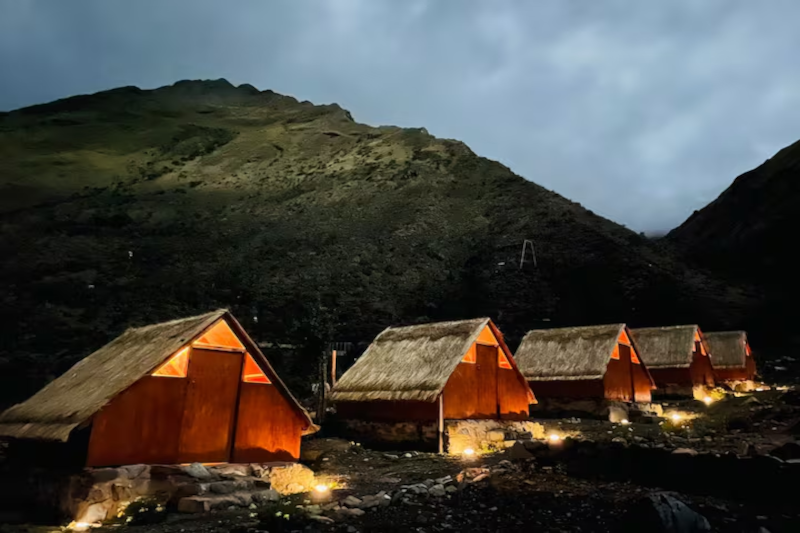
Your typical choices:
If you’re camping, treat your sleep system like a work deliverable: it needs to meet specs. A true cold-rated sleeping bag matters. So does a decent sleeping pad. Brands like Therm-a-Rest show up in rental shops for a reason—the insulation is the difference between “cozy enough” and “why am I awake at 2 a.m.?”
You’ll deal with cold at night and strong sun in the day. Yes, both. The UV can feel harsh because the atmosphere is thinner. So, layering is your friend—simple pieces you can add or remove.
Also: bring a snack you actually want to eat. Trail mix is fine, but if you love gummy candies or a specific protein bar, pack that. Up high, “food you’ll tolerate” isn’t the same as “food you’ll eat.”
The Salkantay trek is often pitched as the quieter, wilder alternative to the Inca Trail. It’s different energy. Less “ancient staircase,” more “big landscape.” You pass glaciers, then later drop into greener zones. It’s like changing channels without leaving the story.
Soraypampa is usually the first camp, and it’s often the highest, coldest night of the whole route. That sounds intimidating—sometimes it is—but it’s also useful. Your body starts adapting. Your team starts syncing up. You learn your pace. That’s valuable intel before the next day’s climb toward the Salkantay Pass.
One more gentle digression: if you’re the planning type, consider a satellite messenger like a Garmin inReach for multi-day treks. Most people won’t need it. But the peace of mind can be worth it, especially if you’re trekking outside peak season or going with a small group.

Afternoon arrival: Get settled, drink water, eat something warm, and take a short walk. Not a workout—just movement. Let your body notice the altitude without panicking.
Early dinner: Keep it simple. Carbs are not the enemy up here; they’re fuel.
Night: Stargaze for a bit if the sky’s clear. Then go to bed. Yes, that early. Sleep is part of the trek.
Morning: If you’re doing Humantay Lake as a day hike, start early. If you’re continuing the Salkantay route, keep your pack organized and your layers easy to grab. Cold hands make every small task feel ten times harder.
Is Soraypampa “worth it”? If you like big mountains, yes. If you want a trip that feels earned—still yes. It’s not always comfortable, and that’s part of the point. You show up, you adapt, you keep moving. Then you look back at those peaks and think, “Huh. I actually did that.”
And honestly? That feeling travels home with you, long after the altitude stops messing with your breathing.