Qenqo: Cultural Significance and History

Massive limestone rock, hollowed by human hands, air dropping cold the second someone steps inside. Qenqo. Nothing else near Cusco feels remotely like it, not Sacsayhuaman, not any of the others.

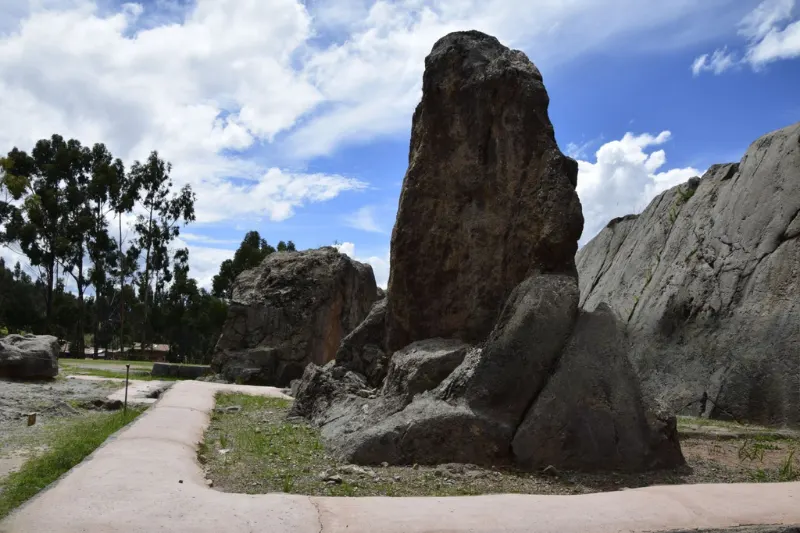
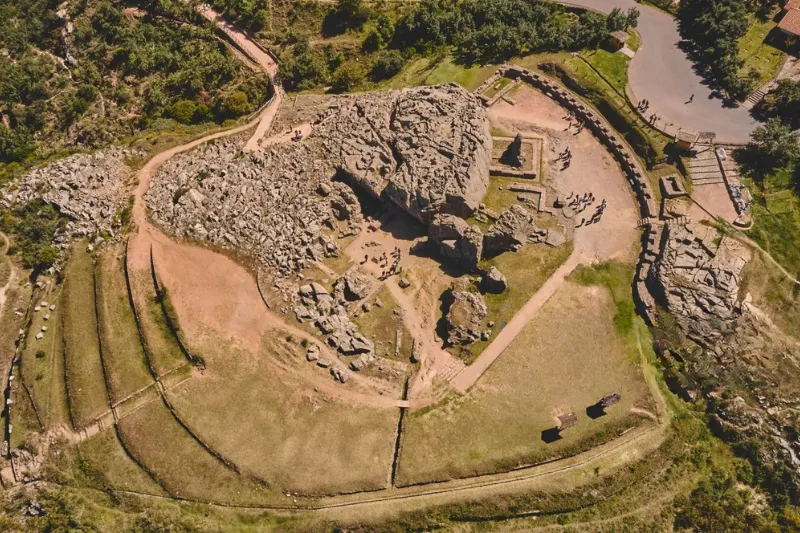
Masons here didn’t stack blocks, they carved into the earth itself. Primary huaca, sacred shrine for ritual worship, not military defense. Single living stone outcropping, nothing else among the Inca archaeological sites near Cusco was built this way.

Exploring the Qenqo ruins anchors any serious cusco city tour route. Tunnels, underworld connections, raw geology turned into something that outlasted everything around it.

Qenqo

Navigating the Labyrinth: How to Reach Qenqo and What the Name Actually Reveals

Qenqo in Quechua, the ancient Inca language, means “zig-zag” or “labyrinth,” reason hits immediately once inside. Snake-like channels carved into the rock’s summit, priests pouring ceremonial liquids, watching the flow to read the future. Incas named places for what they physically were, no ambiguity.

How to get to Qenqo is far simpler than navigating its ancient corridors. Just above the city, 2 kilometers from Plaza de Armas, core stop on any city tour Cusco route alongside three other nearby ruins. Logistics:

  • Distance: Barely 2 kilometers from the Plaza de Armas.
  • Transport: 15-minute taxi, local bus, or steep walk.
  • Tickets: No single-entry pass, Boleto Turístico Circuit 1 required.
  • Timing: Early morning before afternoon tour crowds hit.

More Than a Rock: Understanding the Huaca as a Living Incan Shrine

Qenqo Cusco is nothing like traditional Inca construction. Huaca, highly sacred shrine, landscape worshipped rather than just built upon. Inca masonry techniques applied directly to a massive naturally occurring limestone outcrop, devotion carved straight into the earth.

Mountains and stones weren’t dead objects in the Andean worldview, they were deeply alive. Shaping these giant monolithic structures meant communicating with Pachamama, the Earth Mother. That worldview explains why the approach here looks completely different from anything else nearby.

Every hollowed alcove and smoothed ledge at Qenqo Cusco Peru designed for ritual interaction. Summit carvings showing exactly how the Incas activated vital communication between the human world and something far larger than it.

Qenqo

The Mystery of the Zigzag Channels: Predicting the Future with Liquid and Light

Shallow precise canals carved directly into the bedrock cover the top of the monolith. Zigzag, visually mimicking a lightning bolt, Illapa the Lightning God controlling that force, these grooves functioning as a direct conduit to the sky. Name and purpose locked together.

High priests poured chicha or llama blood into the stone, observing the flow. Three purposes historians identify:

  • Divination: Which path the liquid took determined what was coming.
  • Nourishment: Liquid offering fed directly to the Earth Mother.
  • Symbolism: Branching lines connecting heavens, earth, and underworld simultaneously.

Specific direction the fluid snaked across pale limestone determined the empire’s fortunes. Channels drain straight down into the rock’s dark core, surface ritual connected to what waited below.

Step into the Underworld: The Chilling Secrets of the Subterranean Stone Gallery

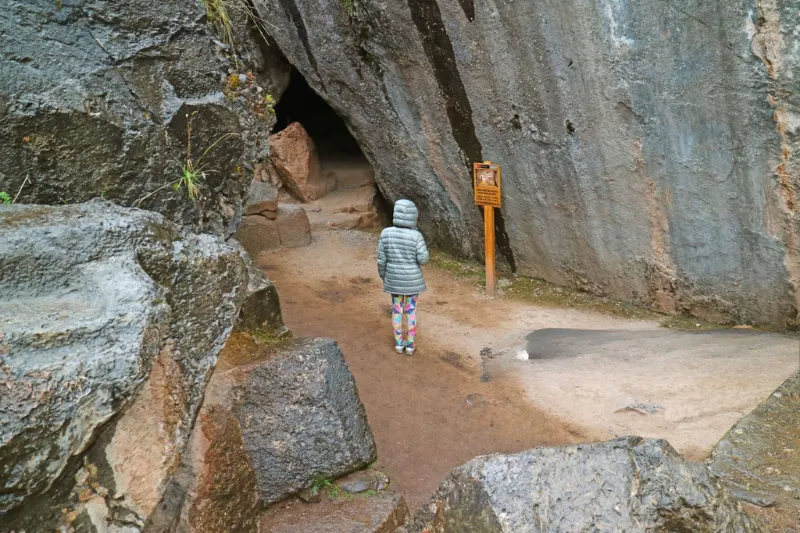
Narrow cleft in the limestone, warm Andean sun gone instantly, profound chill replacing it. Uku Pacha, the Incan Underworld, subterranean stone galleries hollowed entirely by hand. Not punishment for the Incas, the dark fertile womb of the Earth where life began and ended.

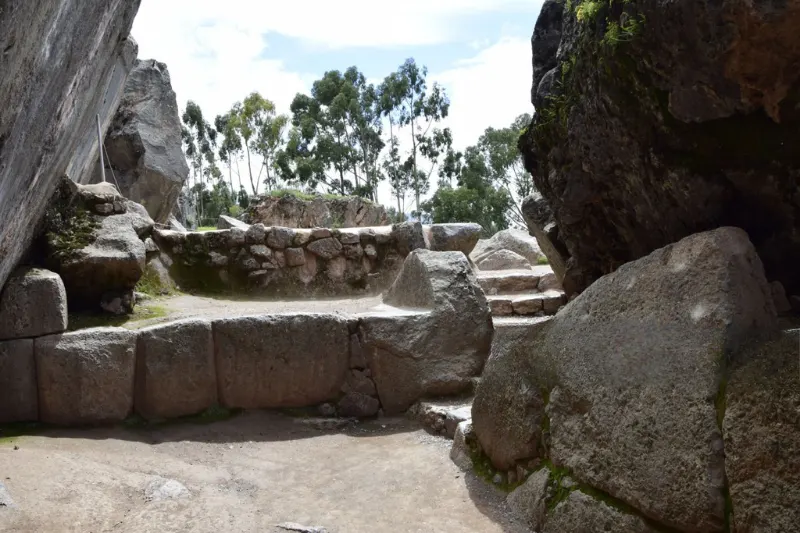
Massive flat slab carved from the living rock dominates the cavern floor. Early explorers called it a sacrifice site, modern historians disagree completely. Likely royal mummification preparation, priests embalming deceased nobility in the cool dark, preparing them to become sacred ancestors.

Subtle crevices above the mortuary slab show exactly where liquid offerings from the zigzag channels dripped down to anoint the dead. Chamber as a bridge connecting heavens, earth, and ancestors. Qenqo ruins carry layers most visitors standing at the entrance never reach.

Qenqo

The Incan Sun Clock: How the Astronomical Observatory Tracks the Seasons

Qenqo Chico after the underworld, Intihuatana waiting there, “hitching post of the sun” in Quechua. Carved pillars metaphorically tying the sun down, keeping it from disappearing during short winter solstice days. One of the most vital pre-Columbian astronomical observatories in Peru.

Sunlight striking the intricate stone architecture at specific predictable angles as the earth tilted through seasons. Shifting shadows cast by sculpted markers telling priests exactly when to plant corn or prepare for freezing winter months. Stone machine built to read the sky, not just watch it. Understanding Cusco in every season starts making real sense here, the Incas tracked seasonal change with extraordinary precision long before any modern calendar existed.

Shadow-casting accuracy requiring profound mastery of Qenqo Cusco stone architecture. Brilliant mathematicians working in rock rather than paper. Calendar still readable in the stone for someone who knows what they’re looking at.

Mastering Your Visit: Practical Tips for Altitude and the Boleto Turistico

Qenqo Cusco Peru at roughly 3,600 meters, nearly 12,000 feet, air noticeably thin. Two full days resting in Cusco upon arrival, light meals, half the normal walking pace. Knowing how to beat Cusco altitude sickness before arriving makes a real difference, most problems happen to people who skipped those three basic steps entirely.

Circuit 1 of the Boleto Turístico groups Sacsayhuaman with Qenqo, Puca Pucara, and Tambomachay perfectly. Taxi to the highest site at Tambomachay, explore downhill back toward Cusco from there. Saves the lungs considerably on a high-altitude day. Among the top 10 attractions in Cusco, this circuit consistently delivers more historical depth per hour than almost anything else available.

Daypack essentials for this city tour Cusco circuit before leaving the hotel:

  • Sunscreen and hat: High-altitude UV rays intensely strong up here.
  • Coca leaves or water: To ease altitude symptoms throughout the day.
  • Physical Boleto Turístico ticket: Required for entry at every site on the circuit.

Walking with the Incas: Your Blueprint for Experiencing Cusco’s Sacred Geometry

Qenqo is far more than a random rock. Zigzag channels as vital pathways for sacred rituals connecting earth to cosmos, subterranean galleries evoking the underworld, a sun clock reading seasonal time in shadow. All of that inside one carved limestone outcrop just above Cusco.

Prioritizing this on any cusco city tour makes the broader Incan landscape around the city make sense in a way visiting only the famous sites doesn’t deliver. After the visit, the local markets of Cusco like San Pedro offer a natural next stop, vendors selling traditional Andean food like chicha, choclo, and slow-cooked stews that connect directly to the same agricultural calendar the Intihuatana was built to track. Local guide reveals hidden carvings the untrained eye consistently misses, helping visitors tread respectfully through what is simultaneously a calendar and a tomb.

Visiting Qenqo Cusco offers a glimpse into the Incan mind no museum exhibit replicates. Standing inside that carved rock, feeling the temperature drop, understanding what the priests were doing with those channels, connects to the Andean past in a way that stays with people long after leaving.

Qenqo

Q&A

What makes Qenqo unique among Inca sites near Cusco?

Unlike fortress-style constructions like Sacsayhuaman, Qenqo is a huaca sculpted directly from a single living limestone outcrop rather than assembled from individual blocks. Precision-cut zigzag channels for ritual liquids, hand-carved subterranean galleries evoking the Incan underworld, a rock-hewn mortuary slab for royal mummification preparation. Designed for spiritual communication and ritual practice, not military defense.

What does the name Qenqo mean?

In Quechua, the ancient Inca language, Qenqo means “zig-zag” or “labyrinth,” perfectly matching the site’s serpentine channels and maze-like passages. Shallow precisely carved grooves guided sacred liquids whose paths priests observed for divination, nourishment of Pachamama, and symbolic connection between sky, earth, and underworld. Channels ultimately drain into the rock’s dark core tying surface rituals to the chamber below.

Was Qenqo a place of violent sacrifice?

Early explorers misread the subterranean slab as evidence of violent sacrifice, modern interpretations see it as a reverent mortuary space instead. Inside the hand-carved galleries priests likely prepared noble mummies in the cave’s cool stable environment. Crevices above the slab show where liquids from the zigzag channels dripped down to anoint the dead, creating a ritual bridge between celestial offerings above and ancestral transformation below.

How did the Incas use Qenqo for astronomy?

At Qenqo Chico, the Intihuatana functioned as a solar observatory, sunlight striking carved markers at predictable angles as seasons changed. Priests read shifting shadows like a terrestrial clock, guiding agricultural decisions about when to plant or prepare for winter. Demonstrates the Incas’ blend of sacred belief and mathematical stonework inside Qenqo Cusco Peru.

How do I visit Qenqo?

Qenqo lies about 2 km from Cusco’s Plaza de Armas, reachable by 15-minute taxi, local bus, or steep walk. Boleto Turístico Circuit 1 required, pairing Qenqo Cusco with Sacsayhuaman, Puca Pucara, and Tambomachay. Arrive early, acclimatize before going, taxi to Tambomachay and walk downhill through the sites back toward Cusco.