Exploring the Wonders of Km 104 Inca Trail

Most people assume reaching Machu Picchu requires three nights camping in the cold. Heavy pack, freezing tent, long expedition. Wrong. The km 104 inca trail starts at a simple stone marker on a train track. It drops hikers directly into jungle and delivers the Sun Gate arrival without any of that. One day, hotel bed at the end, same emotional payoff.

Modern travelers want authentic physical challenge alongside evening comfort. The inca trail hiking experience from this starting point delivers both. Best vantage points without the longest lines. Not a shortcut, a different entry point to the same profound experience.

The Sun Gate arrival through Inti Punku is what most trekkers remember longest. Not the citadel itself but the specific way it appears below. The km 104 inca trail delivers that moment without the four day commitment. That’s the whole argument.

km 104 inca trail

Why Hiking from Chachabamba to Machu Picchu Beats the Bus Tour Every Time

A Sacred Start at Chachabamba

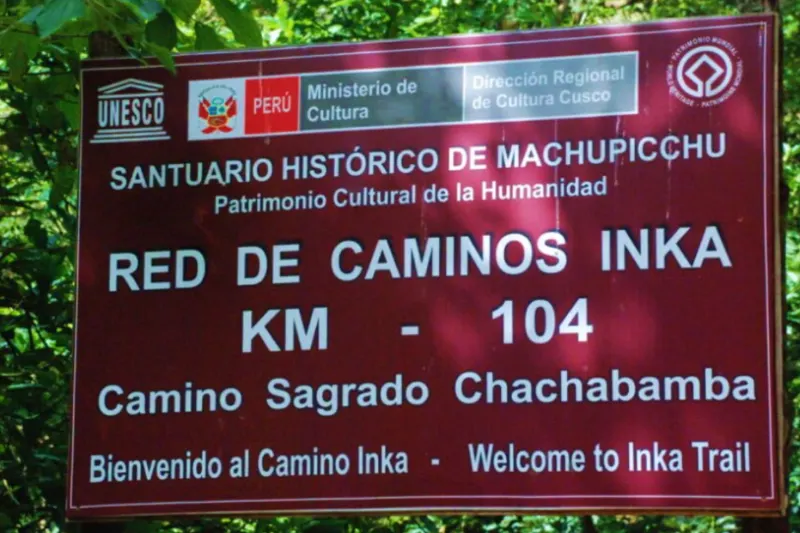
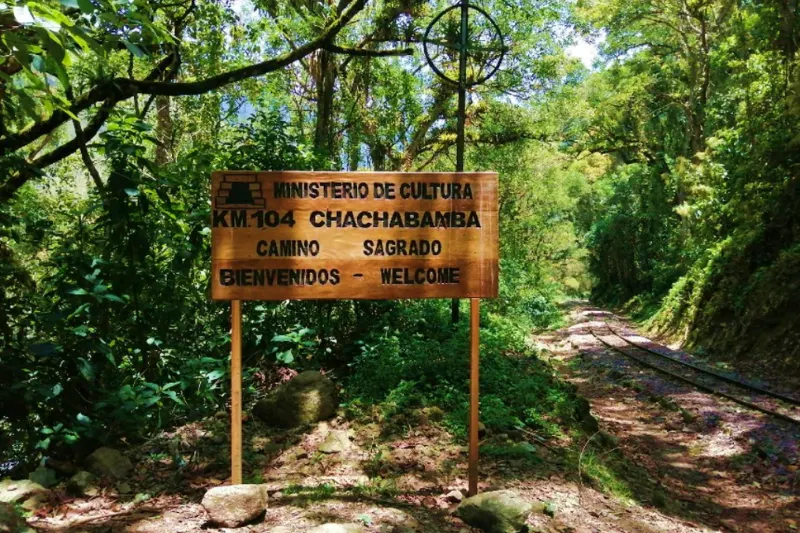
Most visitors share the same opening scene. Long lines, then a zigzagging bus ride up from town. Stepping off the train at the inca trail from km 104 marker is different. It puts hikers directly into Chachabamba. This is a beautifully preserved archaeological site hidden in the high jungle. Historians believe it functioned as a religious water-tribute center. Ancient travelers stopped here to cleanse themselves before continuing toward the citadel. That context sets a completely different tone for the arrival hours later.

What You Gain When You Walk In

Bus riders see the valley through a dusty window. Hikers on the km 104 inca trail get something structurally different. The short inca trail option makes this contrast available without four days of commitment:

  • Viewpoints: Exclusive panoramas of the Urubamba River gorge rather than a windshield view.
  • Crowd levels: Profound trail silence interrupted only by birdsong rather than a road packed with vehicles.
  • Physical reward: First glimpse of the ruins earned through effort rather than delivered by a shuttle.

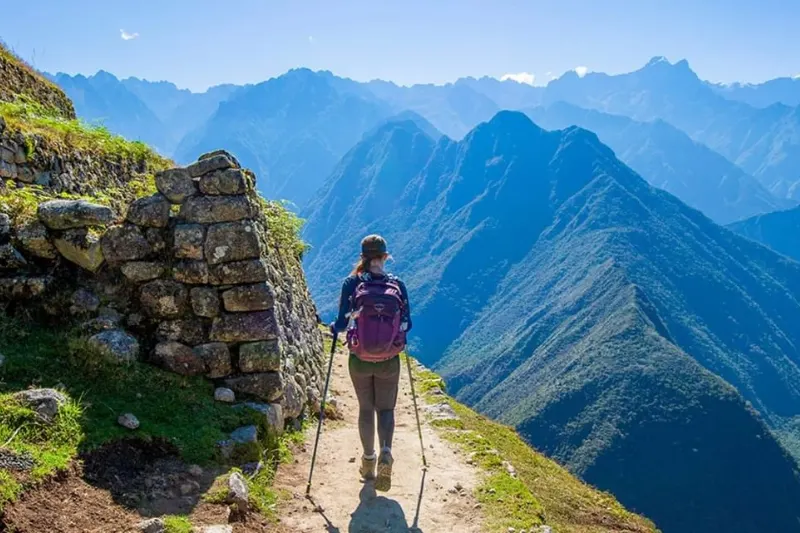
Walking where the Incas walked transforms the visit. The path climbs steadily from river into cloud forest. Pacing is essential for handling the elevation change. Burning out before the ruins appear is a real risk without it.

Navigating the Km 104 Inca Trail Elevation Without Losing Your Breath

Understanding the elevation profile is the secret to a successful climb. The inca trail from km 104 starts near the river at 2,100 meters. It pushes upward to 2,700 meters at the highest point. That’s 600 meters of vertical gain stretched across miles of winding cloud forest. Manageable if the mountain’s pace gets respected rather than fought.

Air holds less oxygen with every upward step. Heart works harder than usual. That’s expected and normal on the inca trail hiking ascent. Sudden dizziness, lingering headache, or nausea are different. Those signals mean stop. Drink water, rest in shade, wait until symptoms pass. Pushing through those specific symptoms doesn’t end well.

The Inca Stairs present their own challenge. Ancient hand-carved stone steps, deliberately uneven and often steep. Nothing like standard dirt trails. Plant the entire foot flat on each stone. Maintain slow continuous momentum rather than rushing. Guides call this the “Inca Step.” Hikers who adopt it early arrive at Wiñay Wayna in considerably better shape.

km 104 inca trail

Wiñay Wayna: Discovering the Most Beautiful Ruins You Can’t Reach by Train

Most people assume the reward of the km 104 inca trail is Machu Picchu. The journey holds a better secret before that. Wiñay Wayna means “Forever Young” in Quechua. It clings to a near-vertical mountainside. Hikers consistently find it more awestruck than the famous citadel ahead. Exclusively accessible on foot, explored without the heavy crowds at the main park.

Three distinct marvels inside the complex on the inca trail from km 104:

  • The gravity-defying terraces: Steep agricultural terraces functioning as expertly drained retaining walls. They prevent the mountain from eroding during heavy rains.
  • The ten-niche temple: Perfectly aligned row of trapezoidal doorways and tall niches. Historians believe it hosted sacred ceremonies and religious offerings.
  • The ceremonial waterfall: Ancient working ritual baths cascading continuously through the complex. Thin mountain air filled with the sound of rushing water.

Leaving this sanctuary means a final push through cloud forest. The scale of the terraces and the quiet majesty of the temples process slowly. The path curves toward the Sun Gate while that sinks in.

The Sun Gate Arrival Experience: Why Walking Through Inti Punku Changes Your Perspective

The Final Staircase Test

The inca trail km 104 to sun gate traverse is mostly gentle through cloud forest. Then one final flight of near-vertical stone stairs appears. Guides call this fifty-step ascent the “Gringo Killer.” It’s a breathless scramble. Burning calves required to earn the panorama waiting just over the ledge. Those who did inca trail physical prep seriously barely notice it. Those who didn’t notice every single step.

Seeing Machu Picchu the Way It Was Meant to Be Seen

Cresting that final stone step turns exertion into pure awe. The citadel frames perfectly against jagged Andean peaks in late afternoon light. Inti Punku was a highly guarded checkpoint. Only elite visitors with official approval passed through. Arriving on foot connects to that same historical privilege. For photography tips machu picchu from this vantage point, late afternoon golden light delivers the unobstructed shot. Morning fog denies that view to four-day trekkers arriving at dawn.

Choosing Your Pace: Comparing the 2-Day and 4-Day Inca Trail Options

The classic four-day route crosses Dead Woman’s Pass at 4,215 meters. Three nights camping outdoors. Deep Andean immersion for people with the time and inclination. The inca trail hiking one-day version fits a tighter schedule. It doesn’t sacrifice the Sun Gate arrival. Different commitment level, same emotional payoff at the top.

Comfort and recovery differ significantly between the two. Classic trek means sleeping bag on cold ground for three nights. Short version means descending to Aguas Calientes after the hiking day finishes. Hot shower, warm restaurant meal, real hotel bed. That difference matters more than most people admit before they’re actually on the mountain.

Feature4-Day Classic Trek2-Day Short Trek
Duration4 Days / 3 Nights2 Days / 1 Night
DifficultyStrenuous (High altitude)Moderate (7 steep miles)
SleepCamping in tentsAguas Calientes hotel
SceneryDeep Andes mountainsCloud forest, Wiñay Wayna

km 104 inca trail

Securing Your Short Inca Trail Permits: The ‘Front-Row Ticket’ Strategy

250 daily permits for the km 104 inca trail. Strictly capped by the Peruvian government. No gate purchase, no independent online booking. A government-licensed tour operator processes the official paperwork. The permit locks instantly to the passport number provided. Details must match exactly at the trailhead checkpoint. Any mismatch means entry denied. No exceptions.

February closes the entire route annually for maintenance. The main citadel stays open for train travelers during that period. Planning around that closure matters for fixed travel dates. Booking timeline for inca trail from km 104 permits:

  • Peak season May to August: Five to six months ahead minimum.
  • Shoulder season April, September, October: Three to four months out.
  • Low season December, January: At least two months before the trip.

Essential Packing List for Day Hikers: What to Carry for a 7-Mile Mountain Trek

Ditching heavy camping gear is the biggest advantage of the km 104 inca trail. Everything fits into a lightweight daypack under ten pounds. One non-negotiable item is the original physical passport. Not a copy. Not a phone photo. The actual document used to book the permit. Without it the journey ends at the tracks.

Cloud forest microclimates shift fast. Warm valley to humid misty zone to cooler mountain breezes across one afternoon. Layering handles all of it. Breathable shirt on, warm fleece packed, waterproof jacket accessible. Coca tea is worth adding to the morning routine before departure. Locals have used it at these elevations for generations. It genuinely takes the edge off altitude symptoms during the climb. Five essentials for the inca trail hiking daypack:

  • Original passport: Non-negotiable entry ticket for the government checkpoint.
  • Hydration: At least two liters for altitude management throughout the climb.
  • Sun and rain gear: Sunscreen, hat, packable rain shell for microclimate shifts.
  • High-energy snacks: Trail mix or energy bars for the steep stone sections.
  • Camera: Fully charged, no outlets exist anywhere on the mountain.

Logistical Flow: From Ollantaytambo Train to the Trailhead at Km 104

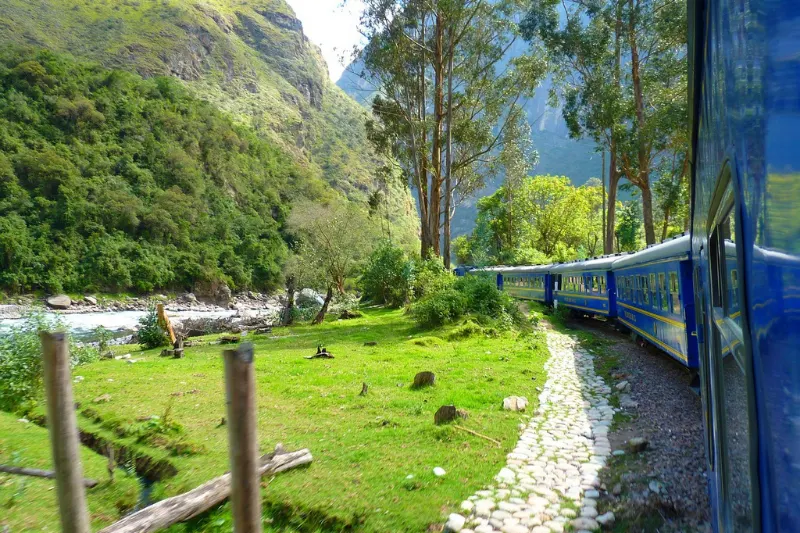
Ollantaytambo is the right launchpad for the inca trail from km 104. It’s a living Inca town in the Sacred Valley. Sits right at the region’s main railway hub. Waking up there skips the jarring three-hour midnight bus ride from Cusco. Quick breakfast, short walk to the station, early train. Simple morning sequence without stress.

  • Hotel pickup: Brief walk or shuttle to Ollantaytambo station just before sunrise.
  • Train departure: Glass-domed train boarding alongside standard tourists heading to the main ruins.
  • Km 104 drop-off: Disembarking mid-route at a specific mileage marker deep in the jungle.
  • Checkpoint: River crossing, passport presented, official permit verified before climbing begins.

Stepping off at the km 104 inca trail marker feels like being let in on a travel secret. No grand station. Just a small platform beside the tracks in the Urubamba River gorge. Train pulls away with seated tourists. Quiet morning air and a guide the only company remaining. Suspension footbridge leads directly to the government checkpoint. Clear that gate and the upward journey begins.

km 104 inca trail

Weather and Seasonality: The Best Months for Trekking in the Peruvian Cloud Forest

Andean cloud forest on the km 104 inca trail runs warmer and more humid than Cusco. Bug repellent essential against biting insects in the lower sections. Dry season  May through September delivers clear skies and stable trails. Rainy season November through March makes the ancient stone stairs notoriously slippery. Genuinely hazardous in heavy downpour.

April and October are the shoulder season sweet spot. Heavy rains minimal. Mountains vibrantly green. Peak-season congestion not yet arrived or already fading. Three-season breakdown for the inca trail hiking planning:

  • Peak dry season May to September: Reliable sunshine, largest crowds, cooler morning temperatures.
  • Shoulder season April and October: Best balance of weather, scenery, and quieter trails.
  • Rainy season November to March: Muddy paths, trail closure risk, poor visibility throughout.

Late afternoon arrival at the Sun Gate is a specific advantage of the short trail. Classic trekkers rush to Inti Punku at dawn and hit thick morning fog. The inca trail from km 104 naturally paces hikers to arrive when the mist has burned off. Soft golden light over the citadel. The absolute best time of day for that view.

Your Path to the Citadel: Final Steps for a Successful One-Day Inca Trail Adventure

Km 104 to Machu Picchu, how long is the trek? Seven miles one way. Roughly five to six hours of active hiking depending on pace and rest stops. Finishing at the Sun Gate before entering the citadel. All inside a single day. Hotel bed waiting in Aguas Calientes at the end. That’s exactly what makes the short inca trail the right choice for travelers who want the arrival without the full expedition.

Permits fill months ahead during peak season. The 250 daily cap makes early booking the only reliable path onto the mountain. Inca trail physical prep starting two to three months before departure makes every section more enjoyable. Practice stair-climbing with a loaded pack. The Inca Stairs are not standard hiking terrain. Legs that aren’t ready feel it from the very first section onward.

The inca trail hiking experience from Km 104 connects to something the bus tour never touches. Same citadel at the end. Completely different relationship with it. By the time the Sun Gate appears overhead, the ruins opening up below in golden afternoon light, that difference is impossible to miss.