Inca ruins, stones, science and a civilization that defied logic

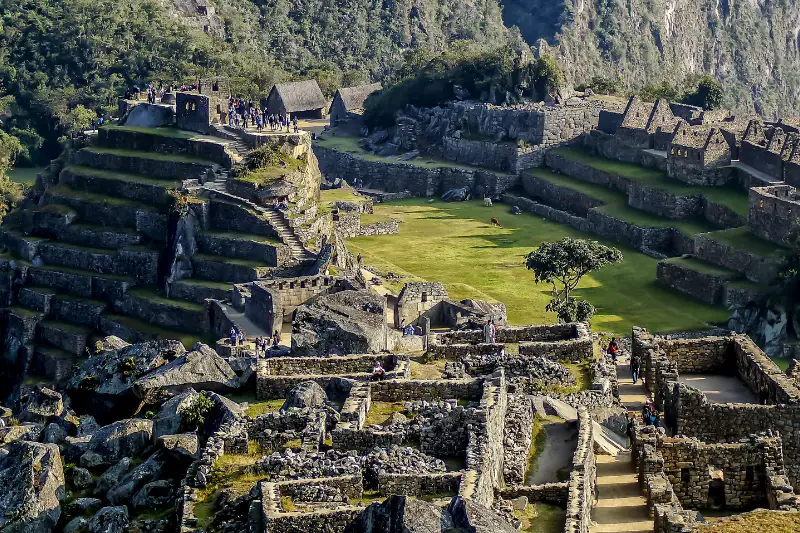
High in the Andes, Inca ruins sit with stones fit so tight no razor blade gets between them. No mortar, just precision cutting, and that kept them standing through earthquakes that took down everything built after them. No wheels, no alphabet, still the largest empire in the Americas. Quipus, knotted strings, handled all the recordkeeping and organization across the territory.

Tawantinsuyu covered 2,500 miles, New York to Rome in distance. Steep slopes were the Inca domain, not flat ground, Inca ruins cut into vertical terrain where others wouldn’t try. Machu Picchu gets the most attention but it’s one piece inside a much larger system of Inca ruins across the mountains.

inca ruins

Mastering the 3D Puzzle: How Ashlar Masonry Outlasts Modern Skyscrapers

Cement is rigid and rigid fails in earthquake country. Granite blocks shaped to interlock without mortar shift with seismic activity instead of cracking under it. Ground moves, stones adjust and settle back, no modern material fully does that.

Doorways and windows in these Inca ruins came out as trapezoids, wider at the base, lower center of gravity, walls harder to bring down. Walls angled inward pushed weight toward the center, stones locked tighter under pressure. Nothing there for appearance, every choice had a structural reason.

Cusco shows the difference. Colonial churches built on Inca ruins came down in earthquakes, the mortarless walls underneath held. One approach was built around seismic movement, the other fought against it and lost.

Nature’s Laboratory: Why the Circular Terraces of Moray Were Centuries Ahead of Their Time

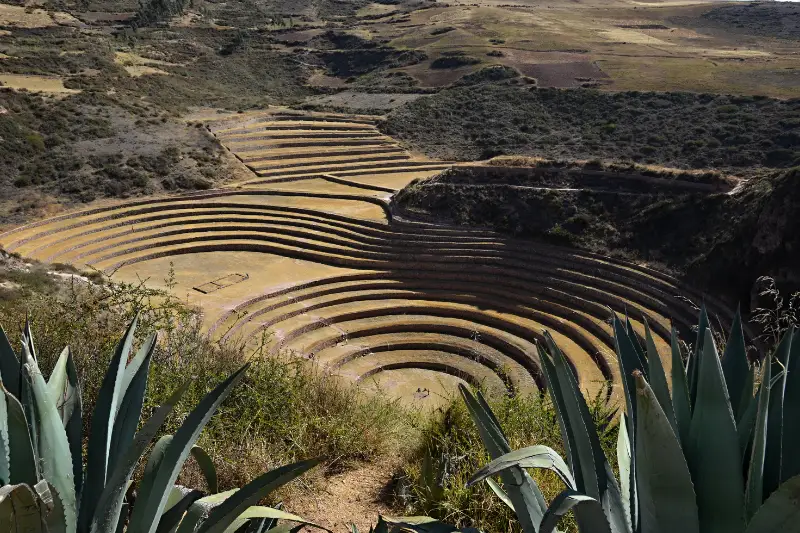
Moray sits in the Urubamba Valley, concentric circles cut into limestone built for agricultural research, not ceremony. The temperature gap between rim and floor hit 15°C (27°F), several ecological zones running inside one structure.

  • Top Levels: Cool conditions for high-altitude tubers like potatoes.
  • Middle Rings: Temperate zones for hybridizing varieties.
  • Center Floor: Warm conditions for maize and coca.

Drainage cut into the foundation kept lower levels dry through the rainy season, hydraulic control in limestone required real understanding of water behavior. Crops that had no business surviving at that altitude were first adapted at Moray, one of the most underrated Inca ruins in the region.

inca ruins

The Sun God’s Strongholds: Navigating the Sun Temples of Ollantaytambo and Pisac

Ollantaytambo

Ollantaytambo has been lived in since the 15th century, original grid intact, cobblestone streets still in daily use. The fortress and temple above the residential section covered military defense and ceremonial function in the same structure. 

Six pink granite monoliths hauled up a sheer cliff face to build the Wall of the Six Monoliths, serious logistical effort by any measure. Temple alignment hits the winter solstice sunrise directly, an astronomical calendar tied to agricultural cycles built into the architecture.

Pisac

Down the Sacred Valley, PisacPisac Inca ruins cut buildings into natural bedrock instead of raising them on top of it. Intihuatana at the peak tracked solar movement and marked the shortest days of the year. 

High placement at both Inca ruins tied directly to Inti, the Sun God, temples positioned as close to that reference point as terrain allowed. Defense, ceremony, and astronomy ran through the same structures at Ollantaytambo and Pisac. Two of the clearest surviving examples of integrated Inca planning in the Sacred Valley.

A Beginner’s Guide to the High Andes: Timing, Altitude, and Choosing Your Path

May through September is the dry season, the most stable window across the Sacred Valley and surrounding Inca ruins. Soroche hits at Cusco’s elevation, two days lower in the Sacred Valley before heading up cuts the risk considerably. Water intake runs higher than most people plan for before actually arriving.

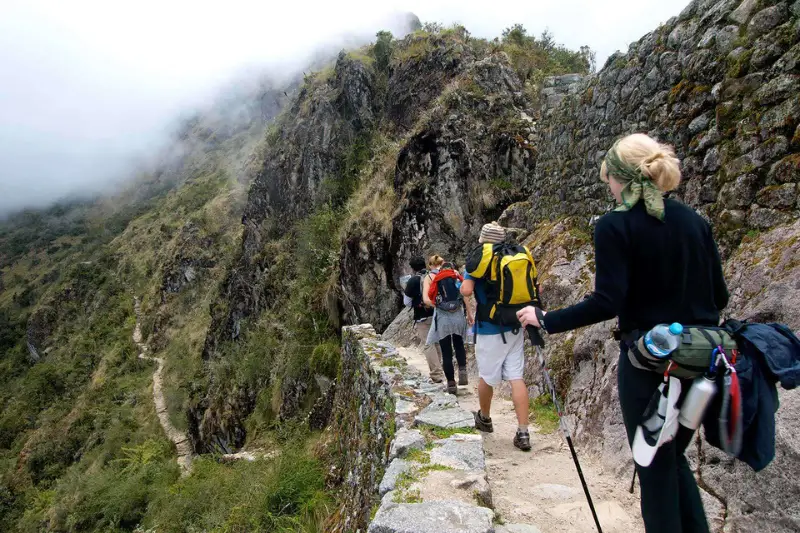
Three routes into Machu Picchu, each demanding something different:

  • Classic Inca Trail: Through the Sun Gate, the original path. Permits fill up 6 months out minimum.
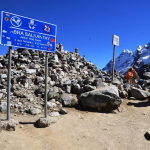
  • Salkantay Trek: Higher passes and glacier terrain, waitlist pressure lower than the Classic.
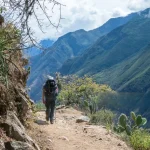
  • Choquequirao: No train access, largely unexcavated Inca ruins, far fewer people on the trail.

Physical condition, available time, and crowd tolerance narrow it down. Different terrain across all three, same destination at the end.

inca ruins

Protecting the Sacred Stones: How to Visit the Inca World Sustainably

Machu Picchu wasn’t lost. Indigenous families worked those terraces for centuries before outside publications put it on any map. Local indigenous guides carry historical and cultural knowledge the Inca ruins don’t hand over on their own.

Marked paths at Machu Picchu, Ollantaytambo, and Pisac control erosion and limit structural damage to the Inca ruins. Staying on them directly affects how long these sites stay accessible. Thousands of visitors annually means small individual decisions stack up fast.

Local guides, marked routes, accurate understanding of who built and maintained these Inca ruins, that’s the baseline for responsible tourism here. The engineering and agricultural systems left behind still hold research value. Access depends on how current visitors treat what remains.