Weather at Machu Picchu: Rainy Season & Dry Season Tips

Imagine the following: you arrive at the Sun Gate and in the morning sunlight you can see Machu Picchu shining. It’s your dream photo. However, the sight can be cloudy or it can be pouring and you need to go prepare with a poncho. The weather at Machu Picchu is unpredictable and the knowledge is useful in planning.

Give up the traditional summer planning or winter planning. The Andes region has two seasons either Rainy (November-March) and Dry (April-October). This defines your entire trip.

Your ideal time to visit will be determined by you. Want clear skies for photos? Or fewer people and more green places? This guide makes comparisons between the two seasons, thus enabling you to make a wise decision.

Forget Summer & Winter: Understanding Machu Picchu’s Two Key Seasons

We always tend to plan a trip either in summer or during winter. However, to gauge the weather in Machu Picchu you must put that thought aside. Up in the Andes, two seasons make up the climate cycle, which is simpler and more dramatic: the Dry Season and the Rainy Season. Choosing between them is very important for your trip as it will influence not only your opinions, but also the number of people you will visit.

weather at machu picchu

Visiting Machu Picchu is a trade-off between the dry and rainy season. Machu Picchu temperature remains rather mild all year round, but the experience is different in certain drastic ways. Here’s a quick breakdown:

  • Dry Season (April -October): Bright and sunny days with typical clear views, but you will have to share the site with peak season visitors.
  • Rainy Season (November – March): It is unbelievably green and teeming with a limited number of people. Take your afternoons rains and foggy clouds.

Is the Dry Season (April-October) Really the Best Time for You?

The Dry Season is identified by most travel guides as the best time of the year to visit Machu Picchu in great style. This time of the year gives the best chance of those jaw-dropping panoramic views with the brilliant blue skies and the Machu Picchu weather of May through August is very stable. 

The most significant choice is the option of weighing the clear weather vs the crowds. The popularity of this season has given a very different experience on-the-ground.

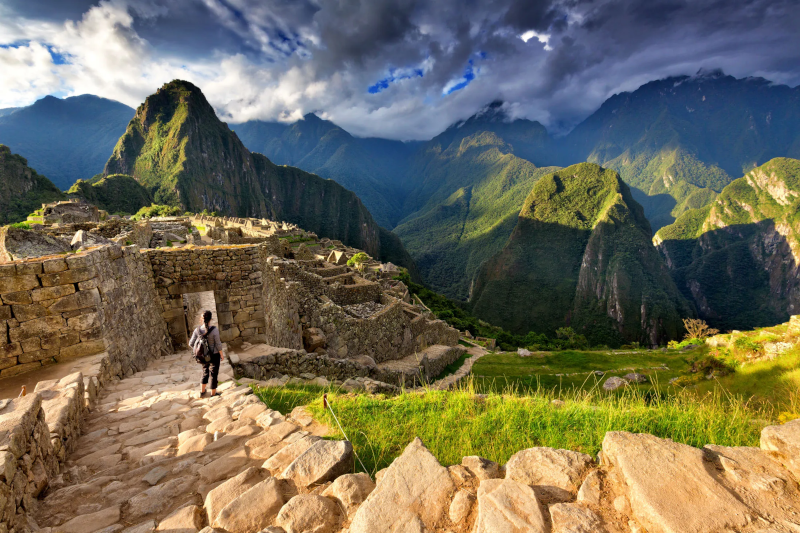
  • Pro: Postcard-Perfect Weather. The chance of sunshine and small rainy days is the highest. This will translate to better scenery to capture pictures of and more confidence in favourable weather to see through the ruins.
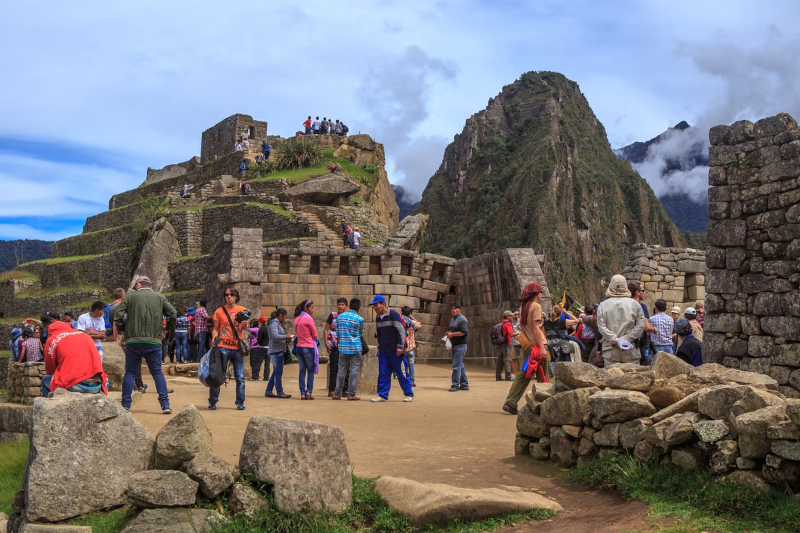
  • Con: Peak Densities and Planning Pressure. With the biggest crowds of the year you will be sharing the citadel. 

The name of the Dry Season tricked you into believing that it is always hot. Days may be good, but due to the high altitude, temperatures are extreme. Having lost the sun, the air quickly gets cold. The nights in the towns of the Sacred Valley and Cusco can get down to as low as freezing point (32degF / 0degC). No matter what time of the year it is, especially if the season is sunny, packing layers will not be compromised.

The Rainy Season Secret: Fewer Crowds & Greener Scenery (November-March)

Rainy Season could make you imagine some depressing vacation, whereas the truth that Machu Picchu is anyway is much more complicated and attractive. It can seldom be the day-long precipitation. Rather, the weather is usually just predictable in the sense that early in the morning, there may be lovely misty weather and then the weather clears by mid-morning allowing several hours of sunshine.

The season is rewarding to those visitors who do not shun this uncertainty. The scenery becomes a spectacular fifty shades of green, and the agricultural terraces appear extremely beautiful and verdant- a dream of a photographer. In this, there are fewer tourists to share the mystical energy of the site. 

One vital point to understand during this season is that the down-pour is intense during the month of February. To ensure visitor safety and perform annual maintenance, the Peruvian government closes the classic Inca Trail for the entire month. Even though the Machu Picchu citadel is open, this is one of the most essential provisions that a person needs to take into consideration when planning a trek. 

The Traveler’s Sweet Spot: Why April-May & September-October Are Ideal

weather at machu picchu

You want to experience the sun, but not the rainy season, or the other way around, the shoulder season is the way. These are magic months of the year, April, May, September and October, the months of often the best of the two worlds. It is one of the major elements of the benefits of shouldering season because it provides a brilliant compromise to tourists that demand excellent weather, but not the hoards that are on the peak season.

The rains finish, and in come the first of these sweet spots, April and May. It is at this time that the Peruvian Andes is at its finest. The scenery is still vigorously green and fertile with the freshness, but the heavens are clearing, and it is a wonderful opportunity to take that classic photograph. Machu Picchu usually has near-perfect weather. In May, you enjoy sunny days, comfortable temperatures, and vibrant scenery.

The second shoulder season comes in during September and October when the massive crowds of June and July start heading back to the roads. It is consistently dry and sunny, but the location has additional space. This is probably when it is better to see clear mountain views and at the same time wish to avoid the largest crowds. However, regardless of the time of the year, there is one more element that can make a sunny forecast turn upside down, and it is the specific location of the site in the mountains.

Why Your Forecast is Wrong: How Altitude Creates a Wild Microclimate

Machu Picchu practically makes its own weather. Massive Andean mountain ranges and the Amazon basin surround the citadel and create a microclimate—a small, self-contained weather system. It is to say that the prediction you have in your hotel could not be closely similar to what is at the location. In the time it takes to walk between the Guardhouse and the Temple of the Sun, wind and rain may change their turn. The initial principle of how to prepare Andean microclimates is to expect the unexpected.

The atmosphere surrounding you is much thinner at almost 8,000 feet (2,430 meters) of elevation. The impact of this is very strong: UV rays of the sun are much stronger. When it is a hot or sunny day, you experience a serious burn within a relatively short period. Centering on high elevation the most important guide to UV protection to keep in mind is to consider sunscreen like your entry ticket, it should be non-negotiable.

The same thin air cannot retain heat. One minute you may be in blazing sunshine but the next minute that cloud comes over and the temperature may drop to freezing. A drop of 15-20degF (8-11degC) can be practically detected in an instant. This truly lightning-like leap of sun and cloud is largely typical of the mornings, and usually covers the whole citadel with some thick coat of fog.

Will Fog Ruin My Morning View? Planning Your Day for Clear Skies

weather at machu picchu

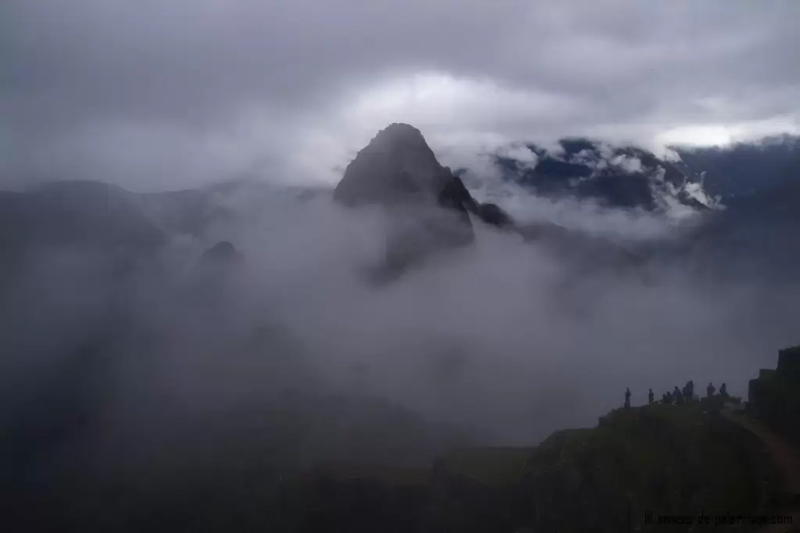
It is a panicking moment at times because of that blanket of morning fog. You have traveled thousands of miles, came at sunrise to take that just right photo and all that you are looking at is the white wall. Is Machu Picchu obscure in the morning? Yes most definitely, yes during the rainy and shoulder seasons. This is however hardly a cause to fret.

The Andean sun is already intense, and in general it usually starts its struggle with the clouds in the course of the morning. The mist begins to clear off and lift up between 9:00 to 10:00 AM most days exposing the citadel bit by bit. Long suffering is a blessing in this case.

The gradual disclosure of this is perhaps a surprising treat to most visitors. Instead of looking at the site in one glance, you have a chance to view the ghostly arches of terraces and peaks gradually become clear. Now that the rays of the sun have finally cut through the haze and the sacred temples are revealed, it becomes even more mystical and living. June or July is usually the most clear month when one can see the mountain best of all in the very beginning, however the spectacular morning uncover provides its own magical moments.

Don’t Get Fooled: Why Cusco’s Weather Isn’t Machu Picchu’s Weather

The greatest error that an individual makes when travelling is to be in the hotel based on the weather in Cusco. You may get up early to a cool crisp morning and wrap around yourself a thick coat of fluffy wool only to realize that you are sweating a few hours later. Cusco weather and elevation (a high 11,152 feet / 3,400 meters) make the climate and surroundings more cold and dry. Machu Picchu on the contrary is 3,000 feet below, in a totally different climate zone on the fringes of the Amazon basin.

The citadel, in its turn, is situated in a distinct jungly eyebrow that is a rich and humid cloud forest that is significantly warmer than Cusco. However the weather changes once again as you go down to the town of Aguas Calientes. At the river base of the valley, the weather conditions of Aguas calientes are more specifically warmer and humid as they are almost tropical at some points. It is easy to notice that the air becomes thick and heavy as soon as you leave the train.

It will be a day of changing climates; in the morning, you leave a cold Cusco behind, and in the afternoon you visit a temperate and sunny Machu Picchu and have lunch in a warm and steamy Aguas Calientes. This continuous changing is exactly the reason as to why the golden rule of visiting is wearing layers. The ability to add and delete a fleece or rain jacket very easily is the determinant of being comfortable in the morning till evening.

Your Ultimate Layering Bible: A Perfect Packing List for Any Season

What is your day packing strategy when it might be three seasons in one day? It is not the solution to carry such huge backpack, but dress up. The three layer system is the secret which every guide in the Andes takes the oath on. 

These three fundamental parts can be used to construct your whole outfit, and with a few indispensable requirements to your daypack.

  • Base Layer: a t-shirt that is moisture-wicking (synthetic or merino wool). This removes sweat off your body hence you will not chill at the time the wind increases. Avoid cotton, which stays wet.
  • Mid-Layer: a light down jacket or a warm fleece. This is your insulation. You will wear it in the fresh morning and take it away when the weather gets warm.
  • Outer Layer: Rain jacket or poncho: This is a waterproof and windproof jacket. This will be your protection in stormy weather and the wind on the mountain. Even when it is sunny, it is necessary.

weather at machu picchu

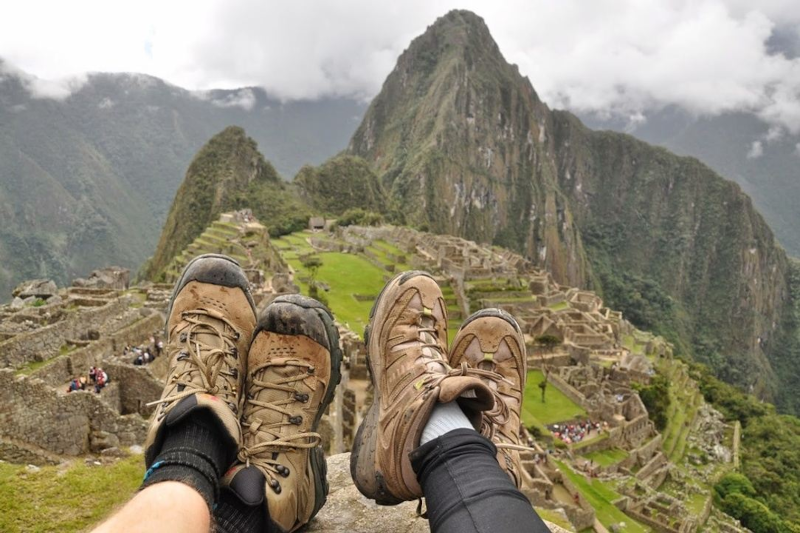
There are some vital items that are above the layers. You shouldn’t compromise on good hiking shoes. Choose sturdy, non-slip, and preferably waterproof footwear, since the ancient, uneven stone stairways can be very slippery. Likewise, the first step towards UV protection in high altitudes is always the common-sense: the sun is very blazing here and therefore high-SPF sunscreen (30 or higher).

Your 3-Step Plan for a Weather-Proof Machu Picchu Trip

You no longer judge the weather–you do not guess–you have a plan. One can now view a direct contrast between the bright sun of the Dry sixty season and the mystical solitude of the Rainy season and the ability to create the best trip.

First, decide what matters most, as this will determine the best time of year to visit Machu Picchu for you. Once that choice is made, your most critical action is booking your machu picchu tickets three to six months in advance. This is essential for any season, whether you are staying in Cusco or the valley town of Ollantaytambo.

No matter which month you choose, your packing strategy remains the same: dress in layers. Preparing for sun, rain, and cold all in one day is the secret to staying comfortable as you explore the ancient stone pathways and terraces. You now have a plan to embrace the full magic of the Inca citadel, comfortable and present for whatever wonder the mountain has in store.